
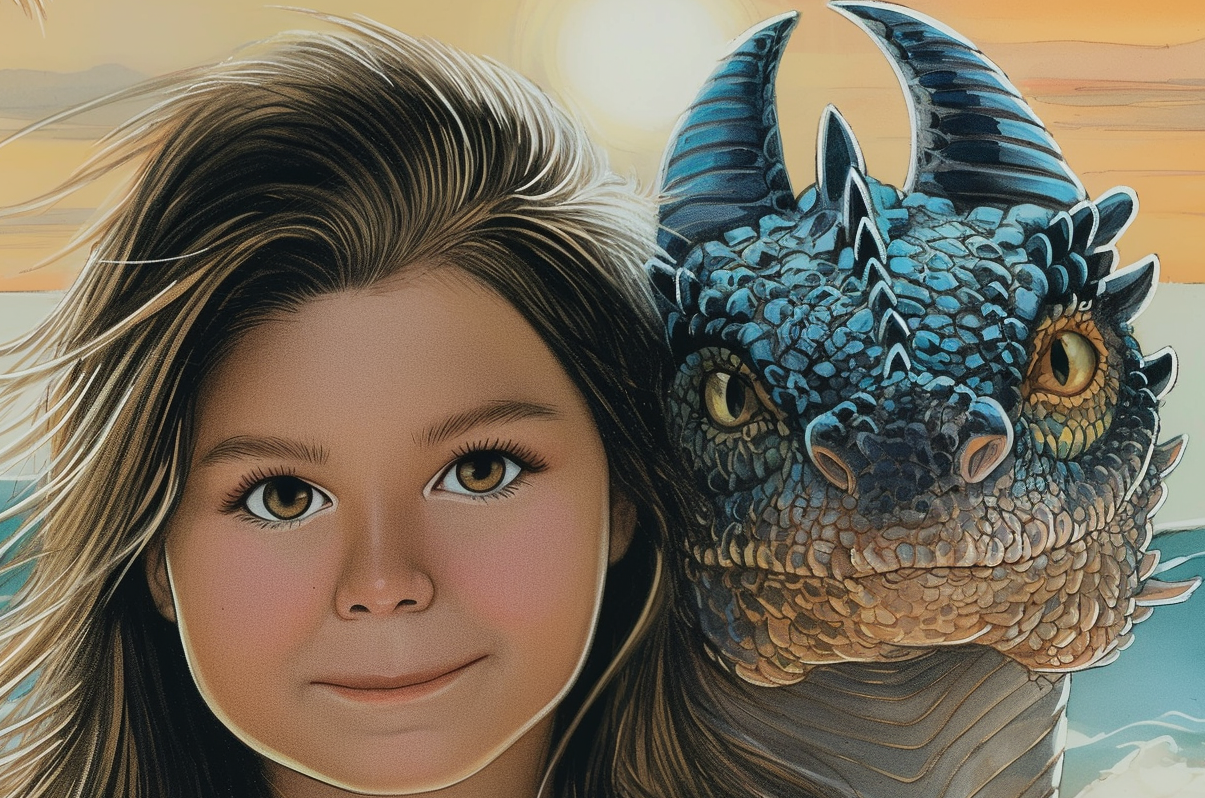
Welcome to Sir Reggie’s Books, where we explore the magic of different cultures through stories and knowledge! Today, we embark on a journey to Hawaii, an enchanting island that’s not just a vacation spot but a place rich in history and traditions. Imagine walking along sandy beaches under blue skies, surrounded by lush greenery – this is Hawaii! But it’s more than just beautiful scenery; the heart of Hawaii beats with the spirit of aloha.
The word “aloha” might sound familiar to you, maybe even a simple greeting like “hello” or “goodbye.” However, in Hawaiian culture, aloha means so much more. It’s a way of life that encompasses love, kindness, and respect. In this article, we’ll dive into the fascinating world of Hawaiian culture, learn what aloha truly means beyond just words, and discover how you can bring this spirit home with you every day.
Introduction to Hawaiian Culture
Hawaii is a magical place where nature and people come together in perfect harmony. The culture of Hawaii is rich, vibrant, and full of stories waiting to be told. Let’s explore what makes Hawaiian culture so unique!
The Importance of Aloha
When you visit Hawaii, the first word you’ll hear is “aloha.” But did you know that aloha means much more than just saying hello or goodbye? In Hawaiian culture, aloha represents love, kindness, and respect. It’s a way of life that encourages people to live with compassion and understanding towards each other and their surroundings.
Imagine walking down the street and feeling everyone around you smiling at you with warm greetings. That’s what aloha feels like in Hawaii! When someone says “aloha,” they are expressing love for you, welcoming you into their community, and wishing you well. This spirit of aloha is not just a greeting; it’s how people live their daily lives.
Storytelling and Traditions
Hawaiians have a long tradition of storytelling that dates back centuries. These stories are passed down from generation to generation through songs, dances, and legends. They teach us about the history of Hawaii and the values that are important in this culture.
One famous legend is that of Pele, the goddess of fire and volcanoes. According to Hawaiian mythology, Pele created many of the islands we see today by throwing rocks into the ocean. She lives in Kīlauea Volcano on the Big Island, where she guards her home with fierce determination. To this day, visitors must be respectful when visiting Pele’s home to avoid upsetting the goddess.
Another important tradition is hula dancing. This dance tells stories and shares cultural values through graceful movements and chanting. Every movement has a meaning that can represent emotions or events from Hawaiian history. Watching a hula performance is like watching a moving storybook come alive!
Hawaiian culture is full of fascinating traditions, each one telling its own unique tale. From the powerful goddesses to the gentle dances, there’s always something new and exciting to learn about in Hawaii!
Understanding Aloha: More Than Just a Greeting
Aloha is more than just the friendly “hello” and “goodbye” you might hear in Hawaii. It’s a way of life, a spirit, and a mindset that embodies kindness, respect, and compassion. For kids like you who love to explore cultures, understanding aloha can be both fun and enlightening.
The Meaning Behind Aloha
Imagine if every time someone greeted you with a warm smile and a “loving” touch—like giving a high-five or a gentle hug. That’s what aloha feels like! In Hawaiian, “alo” means presence, and “aha” means to be. So, when put together, “aloha” can mean “the being there of the heart.” This deepens the greeting into an expression of love and connection.
But it doesn’t stop there. Aloha also includes ‘ohana, which means family, and ‘ike, meaning wisdom or knowledge. So, when you say aloha to someone in Hawaii, you’re not just saying hello; you’re expressing a whole range of positive emotions and values like love, respect, and care for others.
Practicing Aloha
Now that you know what aloha means, how can you practice it? It’s simple! Here are some ways to bring the spirit of aloha into your daily life:
-
Be Kind: Always be nice to others. A smile or a kind word can make someone’s day.
-
Show Respect: Listen carefully when people speak and treat everyone with dignity, no matter who they are.
-
Share Your Love: Give hugs or high-fives as you say hello! And don’t forget to thank those who help you, like your teachers, parents, or friends.
Remember, aloha is not just for Hawaii. It’s a global message of love and unity that everyone can embrace. By spreading the spirit of aloha, you can make the world a little brighter and friendlier place!
Traditional Hawaiian Practices and Beliefs
Hawaiian culture is rich with traditional practices and beliefs that have been passed down through generations. These practices reflect the deep connection between the people of Hawaii and their environment, emphasizing respect for nature, family, and community.
The Spirit of Aloha
Aloha is more than just a greeting in Hawaiian culture; it embodies a way of life that encompasses love, compassion, and respect. The word “aloha” can be broken down into two parts: “a” meaning “to part with,” and “loha” which means “my heart.” When you hear someone say “aloha,” they are expressing their wish for peace and harmony.
Children in Hawaii learn about aloha from a young age. They are taught to be kind, honest, and respectful not only to people but also to the land, sea, and sky. This practice is deeply ingrained in their daily lives and helps foster a sense of community and responsibility towards the environment.
Hula and Makahiki
Two significant traditional practices that hold deep cultural significance are hula and the celebration of Makahiki. Hula is a form of dance that tells stories through movements, gestures, and songs. It is believed to connect dancers with the spiritual world and ancestors. Children often learn basic hula dances as part of their school curriculum or community activities.
Makahiki is an ancient Hawaiian festival held annually during the winter months. This celebration marks the beginning of the agricultural year and honors the gods through ceremonies, games, and feasts. It emphasizes unity and peace among communities and encourages hard work and respect for nature. The festival includes storytelling, performances, and traditional sports like surfing.
Modern Expressions of Aloha Spirit
The spirit of aloha is more than just a greeting; it’s a way of life that has evolved and adapted over the years to reflect modern values and practices in Hawaii. Modern expressions of aloha are seen in various aspects of Hawaiian culture, from community events to personal relationships. Here are some practical ways kids can embrace the spirit of aloha today:
Community Involvement and Service
Hawaiians believe that aloha means “to be with love.” One modern expression of this is through community service and involvement. Many schools, youth groups, and local organizations in Hawaii organize events where kids can participate in activities such as beach clean-ups, tree planting, or helping at animal shelters. These experiences teach children the importance of caring for their environment and communities.
Additionally, many families encourage their children to volunteer at local community centers or non-profit organizations. For example, they might help prepare meals for those in need during a food drive or participate in storytelling sessions that celebrate Hawaiian history and culture. Engaging in these activities not only helps build stronger communities but also instills values of kindness, respect, and service.
Embracing Diversity and Unity
Aloha also embodies the idea of “aloha aku ia i kekahi,” which means to embrace each other. In today’s increasingly diverse world, this principle is more relevant than ever. Modern expressions of aloha in Hawaii often involve embracing and celebrating cultural diversity.
Kids can learn about different cultures by attending festivals or participating in events that showcase the rich tapestry of Hawaiian culture. These include luaus (traditional feasts), hula performances, and other cultural celebrations where kids can experience music, dance, and cuisine from various ethnic backgrounds represented in Hawaii.
Moreover, schools often incorporate lessons on the history and diversity of Hawaii into their curricula, teaching children about the importance of unity in a multicultural society. By fostering an environment that respects and values differences, Hawaiian youth are better equipped to become global citizens who can appreciate and celebrate the unique contributions of people from all walks of life.
Conclusion: Bringing Aloha Home
The Heart of Hawaiian Culture
Bringing the spirit of aloha home is more than just adopting a few new traditions; it’s about embracing the core values that make Hawaii such a special place. By sharing these values with your family, you can create a home environment filled with love and understanding. Here are some practical steps to help you bring aloha into your daily life:
- Practice Kindness: Encourage kindness in all its forms—be it towards friends, family, or even pets. Teach kids to greet each other warmly, offer a helping hand, and show empathy.
- Show Respect: Promote respect for people, animals, and the environment. Take part in local clean-up events, teach kids about recycling, and ensure everyone follows house rules with mutual respect.
- Celebrate Diversity: Hawaiian culture is a melting pot of diverse influences. Share stories and traditions from various cultures that contribute to Hawaii’s unique heritage. Encourage your children to embrace differences and see them as opportunities for learning.
Creating an Aloha Atmosphere at Home
To make aloha truly come alive in your home, consider these ideas:
- Decorate with Aloha: Use decorations that reflect Hawaiian culture. You can find prints of famous landmarks like Diamond Head or Mauna Loa, or use traditional motifs such as leis and hula dancers.
- Read Stories Together: Share stories about Hawaii’s history, people, and nature. Books like “The Heart of the Earth” by Kamanepa Lastrapes can inspire children to appreciate Hawaiian values.
- Cook Traditional Dishes: Try making some traditional Hawaiian dishes with your kids, such as poke or kalua pig. Cooking together is a fun way to learn about new foods and cultures.
By integrating these practices into your home, you can create an environment that not only honors the spirit of aloha but also fosters growth, respect, and kindness in your family. Remember, bringing aloha home isn’t just about adopting a few traditions; it’s about building a foundation for understanding and love that will last a lifetime.
To wrap up our journey through Hawaiian culture and the spirit of aloha, we’ve explored how this beautiful way of life is not just a greeting but a deep-seated value that encompasses love, kindness, and respect. We learned about the importance of family and community, traditional practices like hula, and modern-day role models who embody these values.
Remember, the spirit of aloha can be brought home to your own community by practicing sharing, helping others, and showing kindness in everything you do. Whether it’s a smile for a neighbor or a kind word for a friend, every small act of aloha makes the world a better place. Let’s inspire each other to spread this wonderful spirit wherever we go.