
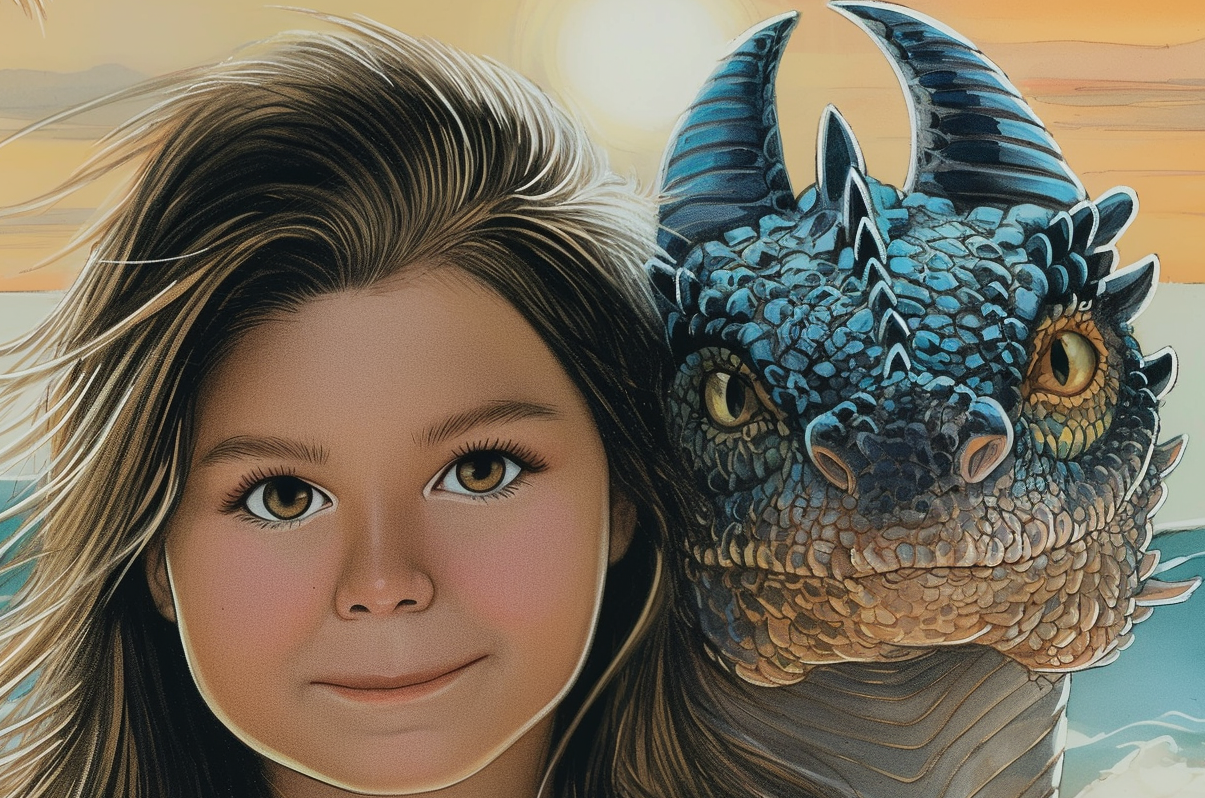
Welcome to the magical world of children’s book illustrations, where every line and color comes to life on the page! If you’ve ever marveled at the vibrant characters and enchanting scenes in your child’s favorite storybook, you’ve witnessed the power of illustration. But have you ever wondered what goes on behind the scenes to bring these stories to life? This article takes you on a fascinating journey through the world of children’s book illustration, exploring the artistry, collaboration, and technology that transform a simple idea into a captivating visual narrative. From the initial spark of inspiration to the final masterpiece, we’ll delve into the process, tools, and the crucial role illustrations play in enhancing the storytelling experience for young readers. Join us as we uncover the magic behind the scenes and celebrate the vital contribution of illustrators to the world of children’s literature.
Introduction to Children’s Book Illustration
Children’s book illustration is a unique and captivating form of visual storytelling that plays a crucial role in engaging young readers and enhancing the narrative. These illustrations are not just decorations; they are integral to the story, providing a visual representation of the text and sometimes even adding layers of meaning that can enrich the reading experience. Let’s delve into the world of children’s book illustration and explore its significance.
The Role of Illustration in Children’s Books
Illustrations in children’s books serve multiple purposes. They can:
– **Enhance Understanding**: Visuals can help young readers grasp complex ideas, emotions, and settings that might be difficult to convey through text alone. For example, a picture of a character’s facial expression can communicate their feelings more effectively than a few sentences.
– **Support the Narrative**: Illustrations can complement the text by guiding the reader’s imagination and helping them visualize the story. They can also provide details that the text might not explicitly mention, such as the emotions of characters or the textures of objects.
– **Engage the Audience**: Bright, colorful, and often whimsical illustrations can capture the attention of children and hold their interest. This is particularly important for books aimed at younger children who are just beginning to develop their reading skills.
The Artistic Process in Children’s Book Illustration
Creating illustrations for children’s books involves a meticulous and creative process. Here are some key steps involved:
– **Understanding the Text**: Before starting the illustration, the artist must thoroughly understand the text. This involves reading the entire book multiple times to grasp the overall narrative, character development, and thematic elements.
– **Developing Concepts**: The illustrator then develops concepts for each illustration. This involves sketching out rough ideas, choosing appropriate colors, and deciding on the style that best fits the book’s tone and theme.
– **Refinement and Feedback**: Once initial sketches are complete, they are reviewed and refined based on feedback from the editor and sometimes the author. This iterative process ensures that the illustrations align with the intended vision of the book.
– **Final Artwork**: The final illustrations are created, often using various media such as digital tools, traditional paints, or pencils. The artist must ensure that the details are clear and that the images are visually appealing and appropriate for the target age group.
Children’s book illustration is a blend of creativity, storytelling, and technical skill. It requires artists to be both technically proficient and able to connect emotionally with their audience. At Sir Reggie’s Books, we appreciate the vital role that illustrations play in creating memorable and enjoyable reading experiences for children.
The Process of Creating Illustrations
Creating illustrations for children’s books is a meticulous and creative endeavor that requires a blend of artistic skill and storytelling expertise. The process begins with a concept and ends with a captivating visual narrative that complements the text, enhancing the overall reading experience.
Concept Development and Research
The journey of illustrating a children’s book starts with the initial idea or concept, which is often provided by the author or the editor. This concept can range from a simple theme to a complex narrative. The illustrator then delves into research, gathering inspiration from various sources such as nature, historical references, and other illustrative works. This research helps in developing a unique visual style that aligns with the book’s theme and audience.
During this phase, illustrators may create mood boards or concept sketches to explore different artistic directions. These initial sketches are often rough and serve as a starting point for further development. The illustrator will consider elements such as color schemes, character designs, and background settings, ensuring that each illustration tells a part of the story.
Sketching and Refining
Once the concept is solidified, the illustrator moves on to the sketching stage. This is where the initial ideas are translated into more detailed drawings. Sketches are typically drawn with pencil on paper, allowing the illustrator to make adjustments and explore different angles and perspectives. This stage is crucial for refining the composition and ensuring that each illustration is engaging and visually appealing.
After the sketches are completed, the illustrator will select the most promising ones to be developed further. These selected sketches undergo several rounds of refinement, where the illustrator adds more details, colors, and shading. This process often involves using a combination of traditional techniques, such as watercolor or ink, and digital tools for layering and editing.
The final illustrations are then reviewed by the editor and author, who provide feedback to ensure that the illustrations align with the narrative and the overall vision of the book. This collaborative process helps in making any necessary adjustments before the illustrations are finalized and ready for the printing process.
The Collaboration Between Authors and Illustrators
Creating a children’s book is a collaborative effort that involves the close partnership between authors and illustrators. This section explores the dynamics of their collaboration, the importance of communication, and the creative process that brings a story to life through illustrations.
Understanding Each Other’s Roles
Before the collaboration begins, it’s crucial for both the author and illustrator to have a clear understanding of each other’s roles and expectations. The author is the storyteller, responsible for crafting the narrative and characters. They provide the text, which sets the tone, mood, and pace of the story. In contrast, the illustrator is the visual artist, translating the author’s words into images that enhance the narrative.
The author and illustrator should meet to discuss the project’s goals, the target audience, and the specific themes and messages they wish to convey. This initial meeting can help set the tone for the entire collaboration and ensure both parties are on the same page.
Communication and Creative Freedom
Effective communication is essential throughout the project. Regular check-ins, whether in-person or via digital tools, help both parties stay aligned and address any issues or concerns promptly. The author and illustrator should establish a clear line of communication, such as through email, messaging apps, or project management tools.
Illustrators often have a unique vision for their illustrations, and it’s important to respect their creative freedom. However, this doesn’t mean the author’s input is unnecessary. The author may provide feedback on the direction of the illustrations, ensuring they align with the story’s tone and themes. Balancing the illustrator’s creative vision with the author’s narrative is key to creating a cohesive and engaging book.
By working together effectively, authors and illustrators can create a children’s book that not only tells a compelling story but also captivates and engages young readers through vivid and imaginative illustrations.
Tools and Resources for Illustrators
To create captivating children’s book illustrations, illustrators need a range of tools and resources to bring their creative visions to life. Here, we outline essential tools and resources that can help illustrators enhance their workflow, creativity, and output.
Software and Digital Tools
1. Adobe Creative Suite: A suite of powerful tools, including Photoshop, Illustrator, and InDesign, is indispensable for digital illustration. Photoshop excels in image editing and manipulation, while Illustrator is great for vector art and logos. InDesign can be used for layout and design, ensuring your illustrations fit perfectly within the book’s design.
2. Procreate: A highly popular choice among illustrators, especially those working on tablets, Procreate is a digital drawing and painting app that offers a wide range of brushes, layers, and filters. It is compatible with iPads and can be a great alternative to traditional drawing tools for those who prefer digital mediums.
3. Clip Studio Paint: This software is favored by many illustrators for its user-friendly interface and comprehensive features, including a wide array of brushes, layers, and tools. It’s excellent for creating comic art and character designs, making it a versatile tool for a wide range of illustration needs.
Hardware and Accessories
1. Wacom Tablets: For those who prefer to work with traditional tools but also want the flexibility of digital, Wacom tablets offer a seamless transition. These tablets come in various sizes and can be paired with high-quality pens like the Cintiq for a more immersive drawing experience.
2. Graphics Tablets: A graphics tablet can significantly enhance your drawing process by providing a more natural feel compared to a mouse. The Wacom Intuos Pro series is highly recommended for its high precision and comfort.
3. Art Supplies: For traditional artists, a good quality set of pencils, erasers, sketchbooks, and markers can still be invaluable. Brands like Prismacolor, Faber-Castell, and Winsor & Newton are well-regarded for their quality and durability.
By leveraging these tools and resources, illustrators can streamline their workflow, enhance their creativity, and produce high-quality illustrations that bring children’s stories to life. Whether working digitally or traditionally, the right tools can make all the difference in the final result.
The Impact of Illustrations on Children’s Literature
Enhancing Storytelling and Comprehension
Illustrations play a pivotal role in children’s literature, serving as powerful tools that enhance storytelling and comprehension. In a world where children are visual learners, illustrations bridge the gap between the words on the page and the child’s imagination. They help to bring the story to life, making the narrative more engaging and memorable. For instance, detailed illustrations can help younger children understand complex plot elements or abstract concepts, which might be difficult to grasp solely through text. A well-crafted illustration can also emphasize important details, such as character emotions or setting descriptions, thereby enriching the reading experience.
Motivating Reading and Fostering Creativity
Illustrations also motivate children to read by making the books more visually appealing. The vibrant and imaginative nature of illustrations can spark a child’s curiosity and interest, encouraging them to delve deeper into the story. This is particularly important for children who might be hesitant to read due to the perceived complexity or monotony of text. Moreover, illustrations provide a canvas for children’s imagination, allowing them to visualize the scenes and characters in their own unique way. This creative engagement can foster a lifelong love for reading and storytelling. Parents and educators can leverage this by asking children to describe what they see in the illustrations, which not only enhances their language skills but also promotes critical thinking and creativity.
In conclusion, the creation of children’s book illustrations is a multifaceted process that combines artistic vision, technical skill, and a deep understanding of the story’s narrative. From the initial brainstorming stages to the final touches, every element plays a crucial role in bringing the author’s vision to life. By fostering a collaborative relationship between authors and illustrators, the richness and depth of the story are enhanced, providing children with a more engaging and immersive reading experience. As technology continues to evolve, the tools and resources available to illustrators are expanding, offering new avenues for creativity and innovation. Looking ahead, the role of illustrations in children’s literature will only grow more significant, as they continue to play a vital part in shaping young minds and fostering a love for reading.