
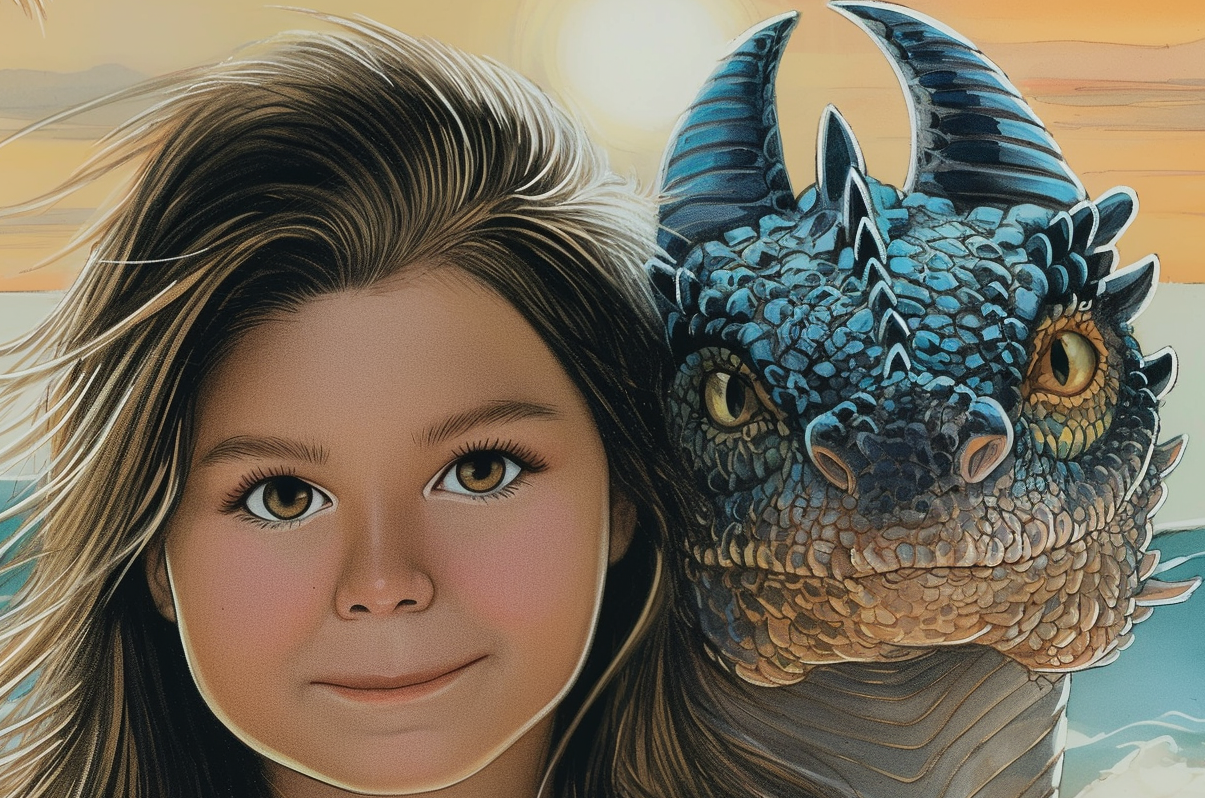
Imagination is the key that unlocks the world of stories, transforming pages into vast, uncharted lands where anything is possible. At Sir Reggie’s Books, we believe that the stories we read shape our perceptions and enrich our understanding of the world. But did you know that visiting real places from the books you love can ignite an even more profound sense of wonder and inspire the imaginations of our young readers? In this article, we delve into why exploring these places can have a transformative impact on children’s development and how you can harness this power to foster a lifelong love of reading and learning.
Introduction to the Power of Imagination in Children’s Development
Stimulating Cognitive Growth and Creativity
The power of imagination in children’s development cannot be overstated. As children engage in imaginative play and explore fictional realms through books, they are not just entertaining themselves; they are actively shaping their cognitive and emotional landscapes. This form of play is crucial for the development of critical thinking, problem-solving skills, and creativity.
Imagination is a key component in cognitive growth, as it allows children to process and understand complex ideas and emotions. When children read or hear stories, they use their imagination to visualize the characters, settings, and scenarios. This process of mental imagery helps develop their ability to think abstractly and logically, which are essential skills for academic and personal success.
Enhancing Social and Emotional Skills
Imagination also plays a significant role in fostering social and emotional development. Through imaginative play and storytelling, children learn to empathize with characters who face different challenges and experiences. This exposure helps them understand diverse perspectives and emotions, promoting empathy and emotional intelligence. Furthermore, engaging in imaginative scenarios can help children develop social skills by practicing interaction, negotiation, and cooperation with peers.
Moreover, the ability to imagine and visualize different outcomes and scenarios is vital for emotional regulation. When children are faced with real-life challenges, their ability to imagine alternative solutions and outcomes can help them manage their emotions more effectively. This resilience and adaptability are crucial skills that will benefit them throughout their lives.
In summary, the power of imagination is a fundamental aspect of children’s development. By encouraging and nurturing this aspect, parents and educators can support the holistic growth of children, fostering cognitive, emotional, and social skills that will serve them well in the future.
Real Places in Books as Catalysts for Imagination
Imagination is the cornerstone of a child’s development, and reading books that feature real places can be a powerful tool in nurturing this skill. These locations, once brought to life through the pages of a book, can serve as catalysts for vivid imagination and creative thinking. Here’s how real places in books can inspire children and why visiting these places can be a memorable educational experience.
Enhancing Spatial Awareness and Understanding
Books often describe places in great detail, painting a picture of the environment, the culture, and the history of a location. For instance, reading about the streets of Paris in “The Little Paris Bookshop” or the bustling marketplaces of Marrakech in “The Night Circus” can spark a child’s curiosity about these places. By associating these descriptions with real-world experiences, children can develop a deeper understanding of different environments and cultures. This spatial awareness can also enhance their geographical knowledge and help them visualize and remember these places more vividly. Visiting these locations can be an enriching experience, allowing children to see for themselves the beauty and history that they’ve only read about, thus reinforcing their imagination.
Connecting Fiction to Reality
Real places in books can bridge the gap between fiction and reality, making the stories more relatable and meaningful. For example, the fictional city of Hogwarts in “Harry Potter” can inspire children to explore real-world locations that resemble the magic and mystique of the book. Visiting places like the High Street of Bath, where the original Hogwarts castle was filmed, or the Edinburgh Castle, which resembles the Forbidden Forest, can transport children back into the world of the book. This connection between the real and the imaginary can foster a sense of wonder and encourage children to explore their own creativity. By seeing these places firsthand, they can better understand the settings of the stories they love and use them as inspiration for their own writing or artwork.
The Impact of Visiting Real Places Depicted in Books
Enhancing Cognitive Development
When children visit real places depicted in books, they are not just reading stories—they are experiencing them firsthand. This immersive approach to learning significantly enhances their cognitive development. For instance, when a child reads about the bustling streets of London in “Harry Potter and the Philosopher’s Stone,” a visit to the actual streets of London allows them to visualize and understand the setting more vividly. This tangible experience helps in better memory retention and deeper comprehension of the text. Research suggests that such experiences can lead to improved spatial awareness, memory, and even language skills, as children can associate abstract concepts with real-world environments.
Strengthening Emotional and Social Skills
Visiting real places mentioned in books also plays a crucial role in the emotional and social development of children. These visits can evoke a sense of wonder and curiosity, which are essential for nurturing a child’s imagination and creativity. For example, a trip to the Louvre, where children can see the real Mona Lisa or the Venus de Milo, can spark their interest in art and history, making the characters and settings from books more relatable and meaningful. Additionally, such experiences encourage children to develop empathy and a broader perspective on the world. When they visit places like the Anne Frank House, they can gain a deeper understanding of historical events and the emotions of the characters, fostering a sense of connection and compassion.
By combining these visits with discussions about the books, parents and educators can further enhance the learning experience, helping children to make meaningful connections between the world of literature and their own lives. This approach not only enriches their cognitive and emotional growth but also encourages a lifelong love for reading and exploration.
Benefits of Combining Books and Travel for Children
Combining books and travel for children offers a multitude of benefits that enhance their cognitive, emotional, and social development. Here’s a detailed look at why immersing children in a world where stories and reality intertwine can be incredibly advantageous.
Stimulating Imagination and Creativity
One of the most significant benefits of integrating books and travel is the profound impact it has on stimulating imagination and creativity in children. When children read about fantastical places and characters, they are encouraged to visualize these scenes in their minds. Travelling to these places then allows them to see these visualizations in reality, which further enhances their understanding and appreciation of the stories. This process not only improves their ability to imagine but also helps them develop creative thinking skills. For instance, after reading about the ancient wonders of Egypt in a book, a visit to the pyramids can spark a child’s curiosity about history, architecture, and the cultures of the past. This connection between literature and real-life experiences can lead to a more profound and lasting understanding of the world.
Enhancing Language and Cognitive Skills
Traveling while reading also plays a crucial role in enhancing a child’s language and cognitive skills. Reading books in different settings and seeing the same places in real life can help children better understand and retain the vocabulary, syntax, and context of what they read. For example, a child who reads about the diverse flora and fauna in a story about a rainforest might better understand and remember the names and descriptions when visiting a similar environment. This practical application of learned knowledge can significantly boost their comprehension and memory skills. Additionally, exposure to new languages and dialects during travel can provide children with a richer understanding of linguistic nuances, which can be further explored through books in those languages. This dual learning approach not only enhances their cognitive abilities but also broadens their cultural awareness and empathy.
Practical Tips for Parents and Educators
Understanding the power of real-world experiences in fostering a child’s imagination, parents and educators can play a pivotal role in ensuring that children’s literary explorations extend beyond the pages of their books. Here are some practical tips to inspire children’s imagination by visiting real places from books.
1. Choose Books with Vivid Imagery and Descriptions
Select books that paint a vivid picture of the settings, characters, and events. Look for titles that not only tell a story but also describe the environment in detail. For instance, books like “Charlotte’s Web” by E.B. White can be complemented by visits to a farm to see the characters in real life. Similarly, “Harry Potter and the Sorcerer’s Stone” by J.K. Rowling can be enhanced by a trip to the British Museum to see the real artifacts mentioned in the book. This approach not only enriches the reading experience but also helps children make connections between the written world and the real world.
2. Plan Visits to Real Places Based on Books
After reading a book, research and plan a visit to a location that is featured in the story. For example, after reading “Treasure Island” by Robert Louis Stevenson, visit a local park that resembles Long John Silver’s hiding spot or a nearby beach for a pirate adventure. Similarly, “The Secret Garden” by Frances Hodgson Burnett can inspire a visit to a local garden or a botanical garden. These visits can be educational and fun, allowing children to see the locations they have read about and sparking their interest in exploration and learning.
3. Encourage Creative Writing and Artwork
After a visit to a real place that inspired a book, encourage children to write their own stories or create artwork inspired by their experience. This can be a fun and engaging way to reinforce the connection between the real world and the fictional world. For example, after a trip to a local library, children can write a story about a magical adventure in the library or draw a picture of their favorite character from a book set in a library. This activity not only enhances their creativity but also helps them develop critical thinking and storytelling skills.
By following these practical tips, parents and educators can create a rich and engaging learning environment that inspires children’s imagination and nurtures their love for reading.
By immersing children in the vivid and imaginative worlds found in books, parents and educators can nurture their cognitive and emotional growth. Visiting real places from literary adventures not only enriches their understanding of these settings but also fosters a deeper appreciation for literature and the world around them. This combination of reading and travel opens doors to new experiences and knowledge, enhancing problem-solving skills and creativity.
As we look to the future, integrating these practices in educational and family activities can lead to a generation of children who are not only literate but also curious and well-traveled. At Sir Reggie’s Books, we believe in the power of literature to inspire and educate, and we are committed to helping parents and educators create meaningful connections between books and the real world. Let us embark on this journey together, one adventure at a time.