
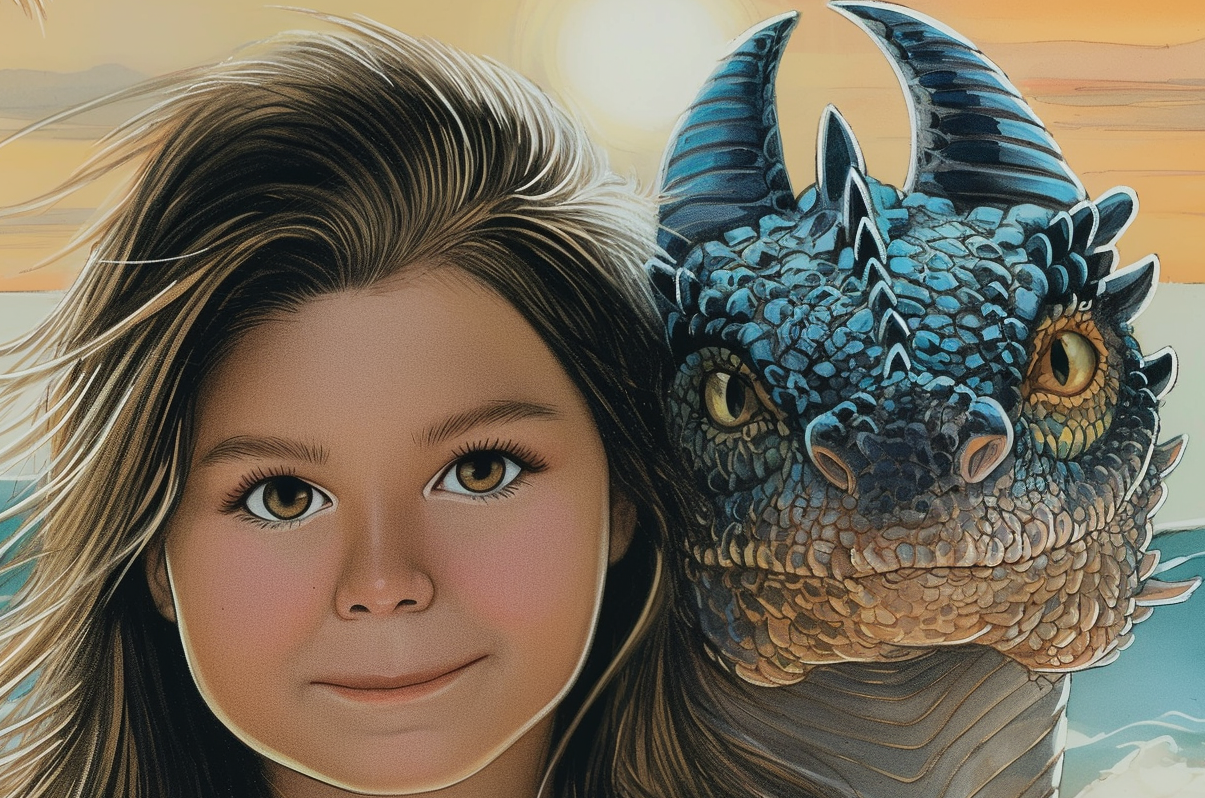
Welcome to a world where imagination meets reality, where words alone can’t fully convey the magic of a story. At Sir Reggie’s Books, we delve behind the scenes to explore the enchanting process of creating children’s book illustrations. These illustrations aren’t just pictures; they are gateways to worlds of wonder, instilling a love for reading in young minds and enriching their understanding of complex narratives through vibrant visuals. In this article, we’ll embark on a journey that reveals the meticulous steps from conceptualization to final artwork, highlighting the collaborative efforts between artists and authors, the technical challenges faced, and the artistic techniques employed to bring stories to life. Join us as we uncover the secrets behind these captivating illustrations, ensuring your child’s next bedtime story is not just read but experienced through vivid imagery.
Introduction to Children’s Book Illustration
Children’s book illustration is a unique and multifaceted art form that brings stories to life through visual storytelling. It serves as the bridge between the words on the page and the imagination of young readers, enhancing the narrative experience in ways that pure text cannot achieve.
The Role of Illustrations in Children’s Books
Illustrations play a crucial role in children’s books by complementing the text to create an engaging reading environment. They help convey emotions, describe complex scenarios, and provide context that can be difficult for young readers to grasp solely from words. For instance, illustrations can depict characters’ expressions or actions in ways that resonate more deeply with children than written descriptions alone.
Techniques and Materials Used
Illustrators employ a variety of techniques and materials to bring their artistic vision to life. These include traditional methods like watercolors, pencil sketches, and oil paintings, as well as modern digital tools such as Adobe Photoshop and Procreate. Each medium has its unique advantages; for example, watercolors can create soft, ethereal backgrounds that enhance the magical feel of a story, while digital tools allow for precise editing and experimentation.
The choice of technique often depends on the style of the book and the preferences of the illustrator. For instance, a folk tale might benefit from detailed, hand-drawn illustrations with rich textures, whereas a futuristic adventure could be brought to life through bold, graphic designs created in software.
By understanding these aspects of children’s book illustration, both writers and publishers can better appreciate the creative process behind crafting stories that not only entertain but also educate and inspire young minds.
Conceptualizing the Illustrations
Creating compelling illustrations for children’s books is a multifaceted process that requires careful planning and creativity. At Sir Reggie’s Books, we understand that the initial conceptualization phase is crucial in setting the tone and direction for the entire illustration project.
Understanding the Story
Before any sketches or drafts are made, it is essential to have a thorough understanding of the story’s narrative, characters, themes, and setting. This involves several steps:
–
Reading the Text: The illustrator must read the entire text multiple times to grasp the nuances, emotions, and key moments in the story.
–
Discussing with Authors or Editors: Regular meetings or discussions with the author, editor, or publisher help clarify any ambiguities and ensure that the visual interpretation aligns with their vision. This can also include discussing specific scenes or character traits that need to be emphasized in the illustrations.
–
Creative Brainstorming Sessions: These sessions allow for free-flowing ideas where the illustrator can explore various themes, moods, and styles. Sketches and mood boards are often created during these sessions to capture initial concepts and share them with stakeholders for feedback.
Selecting the Style and Technique
Once the story is well-understood, the next step involves selecting an appropriate illustration style that complements the narrative. This decision is influenced by several factors:
–
Target Audience: Different age groups may prefer different styles. For example, younger children might respond better to bright, colorful illustrations with simple shapes and line work, while older children might appreciate more detailed and complex artwork.
–
Story Themes and Moods: The chosen style should reflect the overall theme of the story. A fantasy tale might benefit from fantastical elements and imaginative settings, whereas a realistic narrative may require more lifelike depictions and subtle details.
–
Techniques and Materials: Depending on the project’s requirements, illustrators might choose traditional media like pencils, markers, or watercolors, or digital tools for modern projects. The technique selected should enhance the storytelling while being feasible within the given timeframe and budget constraints.
By carefully conceptualizing the illustrations through these steps, Sir Reggie’s Books ensures that each children’s book is brought to life with creativity, imagination, and a deep understanding of its intended audience.
Technical Aspects of Creating Illustrations
Creating illustrations for children’s books involves more than just artistic talent; it requires a solid understanding of technical aspects to ensure the final product is both visually appealing and functional within its intended medium. Here are some key technical considerations:
Software Tools and Techniques
One of the first steps in illustrating a children’s book is choosing the right software tools. Popular options include Adobe Illustrator, Procreate, and Photoshop. Each has its own strengths, such as Illustrator’s vector capabilities for scalability and Procreate’s intuitive touch interface.
When selecting techniques, digital artists must consider how their work will be used. For instance, vector art created in Illustrator can easily scale up without losing quality, making it ideal for book covers or large print formats. On the other hand, raster-based images like those produced in Photoshop are better suited for detailed illustrations that need subtle texture changes.
Color Management and Print Considerations
Another crucial technical aspect is color management. Children’s books often have bright, vibrant colors to capture young readers’ attention, but it’s essential to ensure these colors translate well across different media. Digital artists should use a calibrated monitor and appropriate color modes (such as CMYK for print) to achieve accurate color representation.
Print quality also plays a significant role in the final outcome. Understanding the limits of different printing processes is vital. For example, spot colors can be used to ensure specific shades are reproduced correctly, while halftone screens determine the level of detail that can be printed.
By mastering these technical aspects, artists like Sir Reggie’s illustrators can produce high-quality illustrations that enhance the storytelling experience and meet the demands of both digital and print media.
The Artistic Process
The journey of bringing a children’s book to life is as intricate and multi-layered as the illustrations themselves. The artistic process, from inception to completion, involves several stages that transform a simple idea into a visually stunning and engaging story.
Concept Development
At the heart of every illustration lies its concept—the initial spark of imagination that sets the tone for the entire piece. Artists begin by brainstorming ideas based on the book’s theme or characters. This stage often involves mood boards, where artists gather reference images, color schemes, and character designs to create a cohesive visual language.
For example, when creating illustrations for “The Enchanted Forest,” an artist might start with a series of sketches that explore different settings within the forest—bright meadows, winding paths, and mysterious caves. These initial sketches are crucial as they help in refining the overall aesthetic and ensuring consistency throughout the artwork.
Technical Execution
Once the concept is solidified, artists move on to the technical execution phase. This involves selecting the appropriate medium based on the desired style and finish of the illustrations. Common mediums include digital painting software like Adobe Photoshop or Procreate, traditional media such as watercolors or ink, or a combination of both.
In creating the illustrations for “The Enchanted Forest,” an artist might choose to use a mix of digital sketching followed by traditional watercolor washes. This hybrid approach allows for precise control over details while maintaining a fluid and organic feel. The technical execution also includes the application of color theory, ensuring that each illustration not only looks visually appealing but also enhances the narrative.
Throughout this process, artists often receive feedback from editors or publishers to make sure the illustrations align with the book’s vision. This iterative approach helps in fine-tuning the artwork until it perfectly complements the text and captivates young readers.
Finalizing and Presenting the Work
After investing countless hours in brainstorming, sketching, and refining your illustrations, it’s time to finalize and present them for review. This stage is crucial as it ensures that all elements come together seamlessly to create a cohesive and compelling visual story.
Review and Refinement
The first step in finalizing the work is thorough review. It’s essential to look at each illustration with fresh eyes, focusing on how well they align with the narrative and characters of the children’s book. Pay attention to consistency in style, color palette, and overall theme. Ensure that the illustrations are not only visually appealing but also enhance the storytelling.
For Sir Reggie’s Books, it is recommended to:
– Conduct a line-by-line review of each illustration, checking for accuracy and coherence.
– Assess if the tone and mood of the illustration match the intended emotion or scene in the text.
– Make adjustments to lighting, shadows, and composition as needed. This can significantly impact the viewer’s experience.
Presenting the Work
Once you are satisfied with the final illustrations, it’s time to present them for feedback from your editor, client, or a focus group of children (if possible). Effective presentation is key to receiving valuable input and making any necessary revisions before the book goes into production.
When presenting:
– Use high-quality prints or digital files that clearly show all details. If printing in color, ensure it accurately represents the intended visuals.
– Prepare a portfolio or presentation binder that includes each illustration with its corresponding text from the book. This helps contextualize how the illustrations fit within the story.
– Be open to feedback and prepared to discuss your creative choices. Explain the thought process behind specific elements if necessary.
For Sir Reggie’s Books, consider hosting a virtual meeting where you can share screens or use online collaboration tools like Google Drive to provide comments and suggestions in real-time. This approach ensures that everyone is on the same page and can make informed decisions about the final product.
By following these detailed steps in finalizing and presenting your work, you ensure that your children’s book illustrations not only meet but exceed expectations, contributing significantly to a successful publication.
The process of creating children’s book illustrations is a captivating blend of storytelling, artistry, and technical skill. From conceptualizing ideas with authors to meticulously refining sketches, each step contributes to bringing a story to life in a way that captivates young readers. By understanding the role of illustrations in enhancing narrative and mastering various mediums and techniques, illustrators can create works that not only entertain but also inspire.
As the world of children’s literature continues to evolve, so too will the methods and tools used by illustrators. Embracing new technologies while honing traditional skills ensures that future generations of artists will continue to captivate young minds and foster a love for reading. At Sir Reggie’s Books, we celebrate these talented creators who bring stories to life, one illustration at a time.