
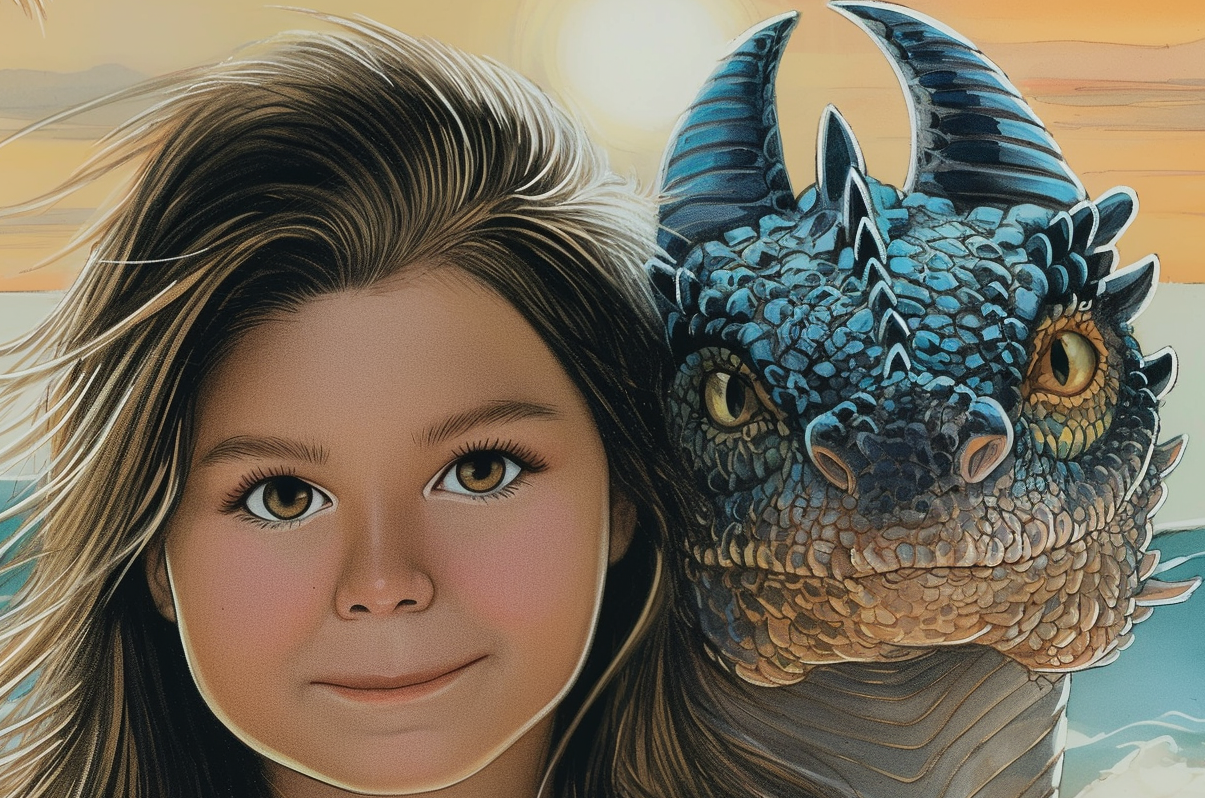
Imagine a world where your child’s favorite bedtime stories are not just tales of magic and wonder, but gateways to understanding the vast and beautiful geography of our world. At Sir Reggie’s Books, we believe that integrating geography into storytelling can create a magical learning experience that sparks curiosity and fosters a deeper appreciation for our planet. By weaving geographical elements into bedtime narratives, children can embark on adventures that span continents, oceans, and cultures, all from the comfort of their own cozy bed.
This article explores the unique opportunity to teach geography through bedtime stories, offering insights and practical tips for parents and educators. We will delve into the selection of geographically rich stories, techniques for enhancing the storytelling experience, and methods to connect these stories to real-world geography. By the end, you’ll discover how to make geography a part of your child’s bedtime routine, turning every night into an educational journey.
Introduction to Teaching Geography Through Bedtime Stories
Bedtime stories have long been a cherished tradition, offering a warm and comforting way to end the day. However, these stories can serve a dual purpose, not only as a means of fostering a love for reading but also as a vehicle for teaching various subjects, including geography. Integrating geography into bedtime stories can make learning more engaging and memorable for children, providing a unique and enjoyable way to explore different cultures, landscapes, and climates. This section delves into how parents and educators can leverage bedtime stories to enhance children’s geographical knowledge.
Choosing Stories That Incorporate Geography
When selecting stories to teach geography, it is essential to choose narratives that naturally incorporate geographical elements. Picture books, folk tales, and adventure stories set in diverse locations are ideal. For instance, stories about children traveling to far-off lands, exploring mysterious islands, or embarking on journeys through different seasons can be excellent choices. These narratives not only engage children’s imaginations but also subtly introduce them to various geographical concepts such as continents, oceans, deserts, and mountain ranges. Additionally, stories that highlight different cultural practices, cuisines, and languages can provide children with a broader understanding of the world, making geography learning a multidimensional experience.
Enhancing Learning with Activities and Discussions
To maximize the educational value of bedtime stories, it is crucial to engage children in activities and discussions that reinforce the geographical concepts introduced in the stories. For example, after reading a story about a child traveling to Africa, you can use a world map to point out the location of Africa, discuss its different regions, and perhaps even share information about the local wildlife or famous landmarks. You can also incorporate craft activities, such as creating a mini-map of the story’s setting, or making a collage of images related to the story’s culture. These hands-on activities not only make learning more interactive but also help children retain the information better.
Furthermore, encouraging children to ask questions and share their thoughts about the story can foster a deeper understanding of the geographical concepts. For instance, you might ask, “What do you think the weather is like in this part of the world?” or “Can you imagine what the landscape might look like?” These open-ended questions can spark curiosity and encourage children to think critically about the stories they hear.
Selecting Appropriate Stories
When selecting stories to teach geography through bedtime tales, it is essential to choose narratives that not only capture children’s interest but also accurately represent the geography and culture of the regions you wish to explore. Here are some key considerations to ensure the stories you select are both engaging and educational:
Geographical Accuracy and Authenticity
One of the primary goals of using stories to teach geography is to provide children with accurate and authentic depictions of different regions. Look for books that not only describe the physical geography, such as mountains, rivers, and deserts, but also capture the social and cultural aspects of the regions. Choose stories that are set in specific locations and are written by authors who are knowledgeable about the place. This could be authors who have lived in the area, or those who have conducted thorough research to ensure the details are correct. For example, stories set in the Amazon rainforest should accurately depict the flora, fauna, and indigenous cultures of the region. This helps children form a clear mental map of the world and understand the diverse landscapes and cultures that exist.
Engaging and Relatable Stories
While accuracy is crucial, the stories must also be engaging and relatable to maintain the children’s interest. Look for narratives that are age-appropriate and use a narrative style that resonates with young readers. Children are more likely to be interested in stories that revolve around themes they can understand and relate to, such as friendship, adventure, and overcoming challenges. For instance, a story about a young girl in the Himalayas navigating a difficult journey to school might be both educational and inspiring. Additionally, consider stories that encourage empathy and cultural awareness, helping children to appreciate the diversity of the world. By selecting stories that are both accurate and engaging, you can create a powerful learning experience that sparks curiosity and a love for exploration.
Enhancing the Storytelling Experience
To make the storytelling experience truly engaging and educational, it is crucial to incorporate several elements that can captivate children’s imagination while teaching them about different geographical locations. Here are some practical tips and strategies to enhance the storytelling experience:
1. Incorporating Interactive Elements
Interactive elements can significantly boost the engagement level of your young audience. Here are a few ways to make your stories more interactive:
–
**Map Exploration:** Create a physical or digital map that corresponds to the story’s setting. As you narrate the story, use markers or pins to show the characters’ journey. This can help children visualize the geography and understand the spatial relationships between different locations. For example, if your story involves a journey from the Amazon rainforest to the Andes mountains, use a map to show the distance and elevation changes.
–
**Object Manipulation:** Use props or small toys that represent elements from the story, such as miniature houses, bridges, or landmarks. This hands-on approach can help children relate to the story on a more tangible level. For instance, if your story features a village, use small toy houses to create a village setting on a table or floor mat.
–
**Role Play:** Encourage children to act out parts of the story. Assign roles to different family members or friends, and provide them with costumes or accessories to enhance their performance. Role play can make the story more immersive and memorable. For example, if your story involves a character who travels from a bustling city to a quiet countryside, have one person dress up as a city dweller and another as a farmer, and have them interact accordingly.
2. Fostering Curiosity and Exploration
To keep children curious and interested, it is important to create opportunities for them to explore the stories and the geography they represent:
–
**Discussion Prompts:** After reading a story, ask questions that encourage children to think critically about the geography and the cultural aspects of the setting. For example, you could ask, “What do you think the weather is like in this place? Why do you think the characters are wearing such clothes?” These questions can spark discussions and help children form their own hypotheses and connections.
–
**Field Trips or Virtual Tours:** If possible, plan a field trip to a location that relates to the story. Alternatively, use virtual tours available online to explore the places mentioned in the story. This can give children a deeper understanding of the geography and culture represented in the story. For instance, if your story features a visit to a rainforest, use a virtual tour to show the lush vegetation, wildlife, and unique landscape.
–
**Creative Projects:** Encourage children to create projects related to the story and the geography. This could include drawing maps, writing journals from a character’s perspective, or creating models of landmarks or villages. These projects not only reinforce the concepts learned but also allow children to express their creativity and deepen their understanding of the story and its setting.
By incorporating these interactive elements and fostering curiosity, you can create a rich and engaging storytelling experience that not only entertains but also educates your young audience about the diverse and fascinating world around them.
Connecting Stories to Real-World Geography
Integrating Maps and Geography in Stories
Incorporating maps and geography into your bedtime stories can significantly enhance children’s understanding and appreciation of the world around them. For instance, when reading “The Little Mermaid” by Hans Christian Andersen, you can use a world map to point out the fictional kingdom of Atlantica. You can further explain that the story’s setting is inspired by the Mediterranean Sea, which can be a fun and engaging way to introduce the concept of seas and oceans to children. Maps not only make the stories more relatable but also help children visualize the locations, fostering a deeper connection to the geography in the tales.
Interactive Storytelling and Geography
Interactive storytelling can be an effective method to teach geography through bedtime stories. For example, when reading “Alice in Wonderland,” you can use a map of Wonderland to discuss the concept of different regions and environments. This can be extended by creating a game where children have to identify the different regions of Wonderland based on the descriptions in the story. Similarly, when reading “The Lion, the Witch and the Wardrobe” by C.S. Lewis, you can use a map of Narnia to explore the different regions and landmarks mentioned in the book. This not only makes the story more engaging but also helps children understand the geographical layout of the fictional world, which can be a stepping stone to learning about real-world geography.
By integrating maps and interactive elements into your storytelling, you can create a more immersive and educational experience for children. This approach not only makes learning about geography fun but also helps in developing a child’s spatial awareness and geographical knowledge.
Assessing and Evaluating the Effectiveness
Evaluating the effectiveness of using bedtime stories to teach geography can be a rewarding endeavor, allowing educators and parents to gauge the success of this innovative teaching method. Here are several practical methods and considerations to ensure that your efforts yield positive results.
1. Pre- and Post-Story Assessments
To accurately measure the impact of your geography bedtime stories, it is essential to conduct assessments before and after the storytelling sessions. Pre-assessments can include questions that gauge students’ or children’s initial knowledge of the geographical concepts you plan to cover. For example, you might ask them to identify different continents, oceans, or specific countries. Post-assessments should be similar but should also include questions that assess the children’s ability to recall and apply the geographical information learned during the stories. This could involve mapping exercises, drawing activities, or interactive games that reinforce the lesson.
2. Observational Methods
Observation is another valuable tool for evaluating the effectiveness of geography bedtime stories. This involves watching the children’s engagement during the story and their interactions with geographical materials after the session. Look for signs of increased curiosity, such as asking more questions about locations or showing interest in maps and globes. Additionally, observe how they use the geographical information in play or during other activities. For instance, do they correctly identify countries or oceans when playing a game or discussing a story?
3. Feedback from Students and Parents
Gathering feedback from both students and parents can provide a comprehensive understanding of the effectiveness of the geography bedtime stories. Parents might be asked to complete a brief survey after a few sessions, sharing their observations on how their child’s geographical knowledge has improved. Students can also provide feedback, either verbally or in writing, about what they enjoyed and what they learned. This feedback can be invaluable in refining the stories and ensuring they remain engaging and educational.
By implementing these assessment methods, Sir Reggie’s Books can ensure that the use of bedtime stories as a tool for teaching geography not only engages children but also effectively imparts knowledge, fostering a lifelong love of learning about our world.
In conclusion, integrating geography into bedtime stories can transform the traditional reading experience into a dynamic and educational adventure. By selecting geographically rich stories and enhancing the storytelling with interactive elements, children can develop a deeper understanding of the world around them. The connection between stories and real-world geography not only makes learning engaging but also helps in reinforcing geographical concepts through practical activities. This approach not only benefits children of all ages but also adapts to various learning styles, making geography education more accessible and enjoyable.
As we continue to explore innovative ways to educate our young minds, let us embrace the power of bedtime stories to inspire a lifelong curiosity about the world. The future is bright, filled with endless opportunities to explore and learn, all through the magic of stories.