
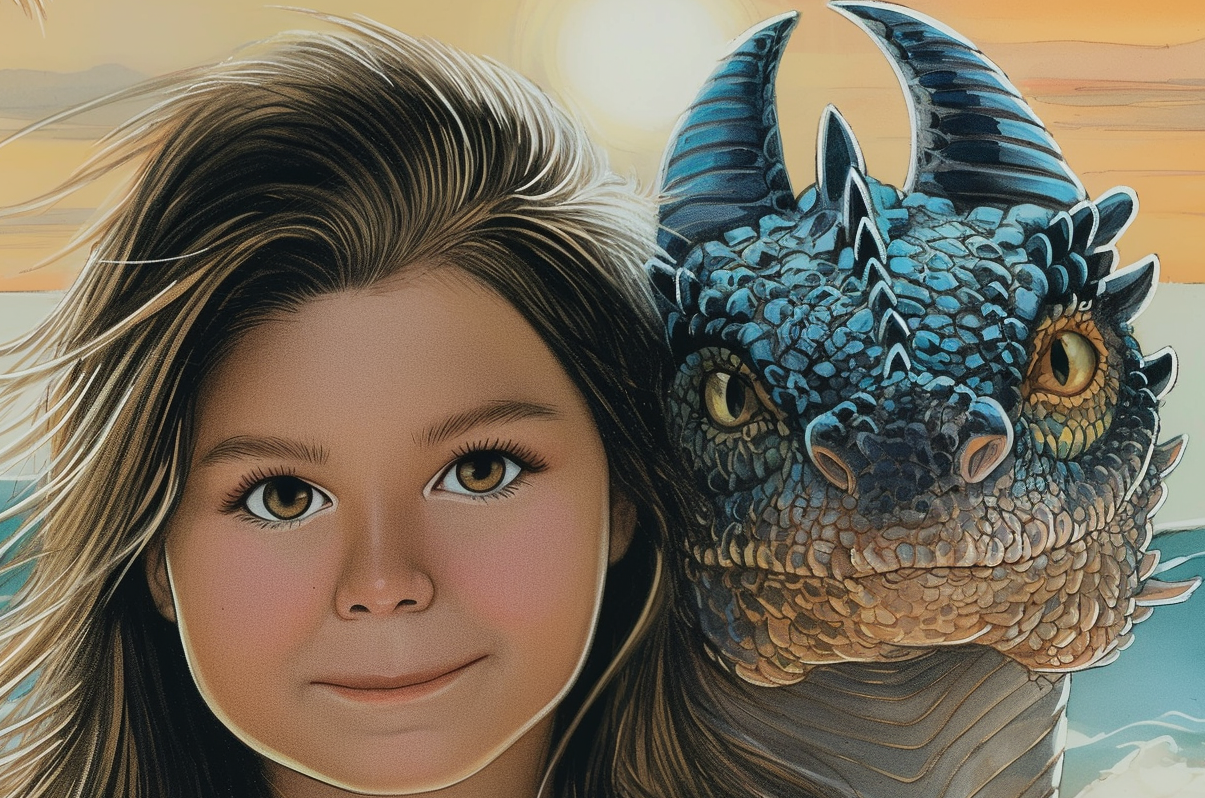
Welcome to the enchanting world of children’s book illustrations, where every line and color comes to life to bring stories to the hearts of young readers. At Sir Reggie’s Books, we believe that the magic of a children’s book isn’t just in the words, but also in the captivating visuals that accompany them. In this article, we delve behind the scenes to uncover the artistry and craftsmanship that go into creating these illustrations. We’ll explore the role of illustrations in enhancing the storytelling experience, the techniques and tools used by illustrators, the importance of character design, and how colors play a crucial role in engaging young minds. Join us as we uncover the secrets of bringing these magical worlds to life on the page.
Introduction to Children’s Book Illustrations
Children’s book illustrations play a pivotal role in engaging young readers and enhancing the storytelling experience. These illustrations are not merely decorative; they are an integral part of the narrative, helping to bring the text to life and complementing the author’s vision. In the world of children’s literature, illustrations serve multiple purposes, from aiding comprehension to evoking emotions and sparking imagination.
Types of Illustrations in Children’s Books
Illustrations in children’s books can vary widely in style and technique, reflecting the diverse tastes and preferences of both publishers and audiences. Here are some common types of illustrations:
– **Watercolor and Acrylic Paints**: These techniques are popular for their vibrant colors and fluid, expressive style. They are often used to create whimsical and magical atmospheres, perfect for fantasy and fairy tale stories.
– **Digital Illustration**: Utilizing computer software, digital illustrations allow for a high degree of detail and flexibility. They are ideal for creating futuristic or detailed settings, and can be easily adjusted and modified during the editing process.
– **Mixed Media**: Combining various materials such as collage, ink, and pastel can result in unique and textured illustrations. This approach is often used to create a gritty or nostalgic feel, suitable for stories set in different historical periods or with a more mature theme.
– **Line Art and Silhouettes**: These minimalist illustrations use simple lines and shapes to create striking and memorable images. They are particularly effective in creating a sense of simplicity and elegance, often used in stories that emphasize the beauty of the illustrations over complex backgrounds.
The Role of Illustrations in Storytelling
Illustrations are not just visual aids; they are powerful storytellers in their own right. They can convey emotions, set the mood, and highlight key moments in the narrative. For instance, a child might not fully understand the text, but through illustrations, they can grasp the essence of a scene or character. Additionally, illustrations can help bridge language gaps, making the story accessible to a broader audience, including non-native speakers or children with reading difficulties.
Furthermore, illustrations can serve as a form of visual literacy, teaching children how to interpret visual information, an essential skill in today’s media-saturated world. They can also encourage children to use their imagination, as they often leave room for interpretation and individual interpretation, allowing each reader to create their own mental images based on the illustrations provided.
The Process of Creating Children’s Book Illustrations
Creating children’s book illustrations is a meticulous process that requires a blend of creativity, technical skill, and an understanding of the target audience. This section will delve into the key stages and considerations involved in bringing a children’s book to life through illustrations.
Understanding the Story and Characters
The first step in the illustration process is to fully understand the story, its themes, and the characters. This involves a thorough read-through of the text, often accompanied by a detailed storyboard provided by the author or editor. During this phase, the illustrator will consider the narrative arc, the emotional journey of the characters, and the key moments that require visual storytelling. For instance, in a story about a brave little mouse on an adventure, the illustrator would focus on capturing the mouse’s determination and the various settings it encounters, from a cozy home to a vast, mysterious forest.
Sketching and Storyboarding
Once the illustrator has a clear vision of the story, the next step is to sketch out the illustrations. This is a crucial phase where the illustrator begins to flesh out the characters and settings in rough, yet expressive, pencil sketches. These sketches are often done in a series, forming a storyboard that outlines the flow of the illustrations from one page to the next. The storyboard helps to ensure that the illustrations support the narrative and maintain a consistent style throughout the book.
After the initial sketches, the illustrator will refine the drawings, adding more details and ensuring that the illustrations are suitable for children. This includes paying attention to the simplicity of shapes and lines, which are easier for young eyes to recognize. The illustrator will also consider the color palette, choosing hues that are vibrant yet not overwhelming, to engage the child’s imagination without causing sensory overload.
By following these detailed steps, the illustrator can create illustrations that not only enhance the text but also captivate and inspire the young readers of Sir Reggie’s Books.
Techniques and Tools Used in Illustration
Creating captivating illustrations for children’s books requires a blend of artistic techniques and advanced tools. Here’s a detailed look at the methods and equipment used by illustrators.
Artistic Techniques
1. Hand-Drawn Illustrations
Hand-drawn illustrations are a cornerstone of traditional illustration. Artists use pencils, charcoal, and ink to bring their ideas to life. For a children’s book, this technique can evoke a sense of warmth and authenticity. Detailed shading and line work can help create depth and character, making the illustrations come alive on the page.
2. Digital Illustration
Digital illustration has become increasingly popular, especially for its flexibility and scalability. Tools like Adobe Illustrator and Procreate allow artists to create intricate designs with precision. Digital tools offer the advantage of easy adjustments, layering, and the ability to incorporate multiple media elements into a single piece. This makes it easier to experiment with color and composition before finalizing the artwork.
Tools and Software
1. Hardware and Accessories
High-quality drawing tablets, such as the Wacom Intuos or Huion, provide a natural drawing experience, mimicking the feel of using traditional media. These tablets connect to computers, allowing artists to work directly on their digital files. Additionally, stylus pens designed for drawing, like the Huion Kamvas Pro or the Wacom Intuos Pro Pen, offer a more precise and comfortable drawing experience.
2. Software Programs
– Adobe Photoshop: Ideal for photo manipulation and digital painting. It supports a wide range of brushes, filters, and tools that can enhance the visual appeal of illustrations.
– Adobe Illustrator: Perfect for vector-based work, such as creating clean, scalable illustrations that can be resized without losing quality.
– Procreate: A popular choice for iPad users, offering a wide array of brushes and layers, making it easy to create detailed and vibrant illustrations.
3. Color Management
Ensuring accurate color representation is crucial in digital illustration. Using color management tools, such as X-Rite’s ColorChecker or Spyder, helps maintain color consistency across different devices and printing processes. This ensures that the final illustrations match the intended vision and look great in various formats.
By combining these techniques and tools, illustrators can create illustrations that not only captivate children but also resonate with their parents and educators. At Sir Reggie’s Books, we ensure that each illustration is crafted with care and precision to bring stories to life in a way that children can easily understand and enjoy.
The Art of Character Design
Character design is a crucial element in creating engaging and memorable illustrations for children’s books. The process involves much more than just drawing a character; it requires a deep understanding of the story, the intended audience, and the emotional journey the character will go through. Here’s a detailed look into the intricacies of character design:
Understanding the Character’s Role in the Story
Before a designer can start sketching, they must thoroughly understand the character’s role within the story. This involves:
–
**Character’s Personality and Traits**: Defining the character’s personality, such as whether they are brave, curious, or shy, helps in creating a more relatable and dynamic character. For example, if a character is brave, they might be drawn with a determined expression and a confident posture.
–
**Character’s Motivation and Goal**: Understanding what drives the character and what they want to achieve is vital. This helps in creating a character arc where the character’s journey is reflected in their design. For instance, a character striving to overcome their fears might start as timid and end as confident.
–
**Character’s Setting and Environment**: The setting and environment can influence the character’s design. A character living in a bustling city might have a more modern and urban appearance, while one in a forest might be more natural and woodland-inspired.
Creating a Visual Identity
Once the character’s role and personality are clear, the next step is to create a visual identity that encapsulates these traits. This involves:
–
**Simplification and Distillation**: Characters need to be instantly recognizable, so simplification is key. This doesn’t mean making them plain; rather, it means distilling the character’s essence into simple, yet distinct features. For example, a character who loves adventure might have a triangular face with wide, curious eyes and a broad, eager smile.
–
**Color and Symbolism**: Color can be a powerful tool in character design. Warm colors like red and yellow might be used for brave characters, while cool colors like blue and green could represent tranquility or nature. Additionally, symbols can be incorporated to add depth, such as a star for a character who is always dreaming big.
–
**Consistency and Evolution**: Maintaining consistency in the character’s design throughout the illustrations is important. However, subtle changes can be made to reflect the character’s growth and development. For example, a character’s outfit might change slightly as they learn and grow, showing their progression.
By focusing on these aspects, character designers can create compelling and meaningful illustrations that resonate with children and enhance the overall storytelling experience.
The Importance of Color in Children’s Book Illustrations
Enhancing Storytelling and Emotion
Color plays a crucial role in the emotional and narrative impact of children’s book illustrations. A well-chosen color palette can greatly enhance the storytelling process, making the narrative more engaging and relatable for young readers. For instance, vibrant and bright colors can be used to create joyful and energetic scenes, while softer, pastel shades can evoke a sense of calm and tranquility. This visual storytelling technique helps children connect with the characters and the story, fostering a deeper emotional engagement. Additionally, color can be used to highlight important elements within a scene, guiding the child’s attention to key story points and enriching the overall reading experience.
Supporting Cognitive Development
Beyond its aesthetic appeal, color in children’s book illustrations also supports cognitive development. Children are naturally curious about colors, and introducing them to a wide range of hues can stimulate their cognitive skills. For example, using contrasting colors can help develop a child’s visual discrimination abilities, while the repetition of certain colors can aid in memory retention. Furthermore, color can be used to teach children about emotions and feelings, helping them to associate different colors with specific moods and concepts. This not only makes the learning process more fun but also aids in the development of a child’s emotional intelligence.
By carefully selecting and using color in children’s book illustrations, artists can create a rich and engaging visual experience that not only entertains but also educates and supports the cognitive and emotional growth of young readers. At Sir Reggie’s Books, we believe that every illustration should not only be visually appealing but also serve as a tool for learning and development.
The art of creating children’s book illustrations is a delicate blend of creativity, collaboration, and technical skill. From the initial concept and character design to the selection of colors that set the tone, each step contributes to a rich and engaging storytelling experience. By understanding the narrative and collaborating closely with authors, illustrators bring beloved characters to life, enhancing the emotional and educational value of the book. As technology continues to evolve, the tools and techniques used in illustration are expanding, offering new possibilities for creativity and innovation. The future of children’s book illustrations promises to be even more vibrant and inspiring, continuing to captivate the imaginations of young readers and their caregivers alike.