
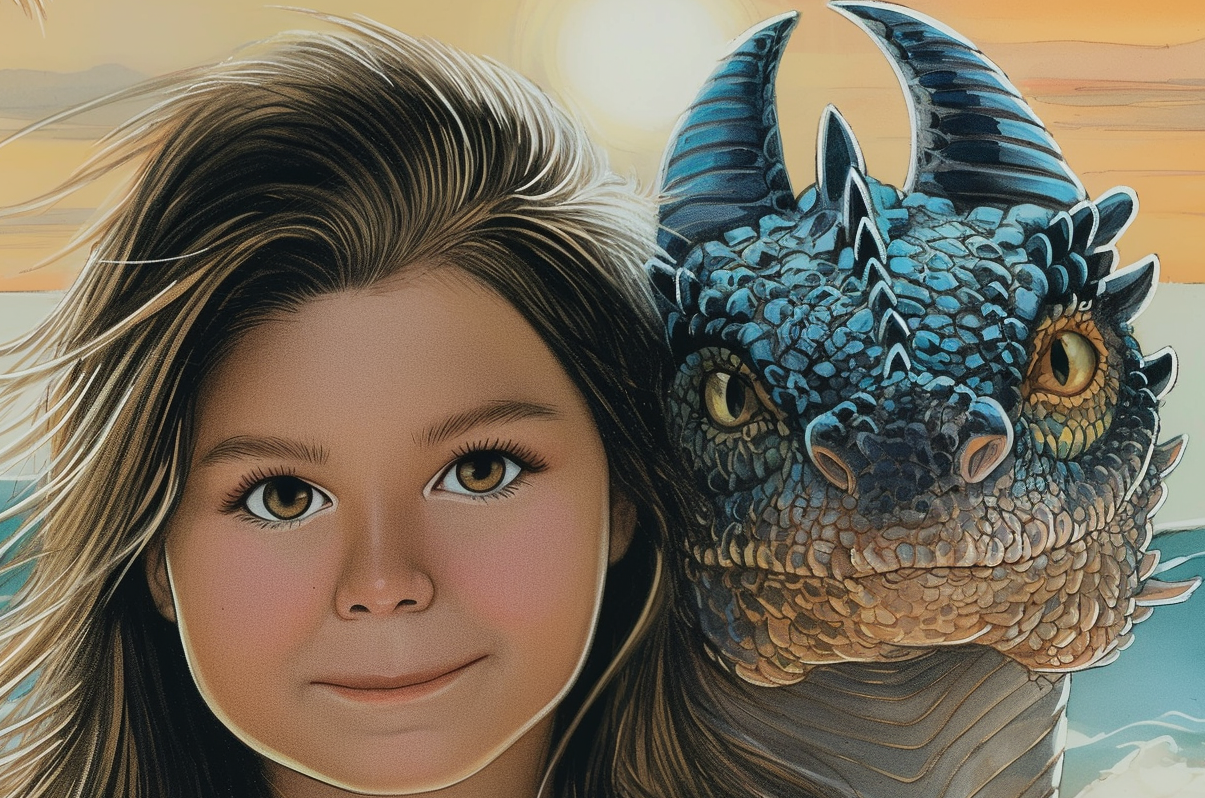
Imagine stepping into a world where every page turn reveals a magical realm, where characters come alive through vibrant colors and expressive details. This is the realm of children’s book illustrations, a world where art and storytelling merge to captivate young minds. In this article, we delve behind the scenes of this creative process, exploring the techniques and challenges faced by illustrators who bring beloved tales to life. From the initial spark of an idea to the final brushstroke, we’ll uncover the magic that turns a writer’s vision into a child’s dream. Join us as we explore the intricate process of creating children’s book illustrations, highlighting the importance of collaboration, the tools and methods used, and the subtle yet powerful art of detail and expression that makes each illustration unique. Get ready to discover the enchanting journey that lies between the lines of a children’s book.
Introduction to Children’s Book Illustrations
The Role of Illustrations in Storytelling
Children’s book illustrations play a crucial role in the storytelling process, enhancing the narrative and engaging the young reader. Unlike adult books, where text is the primary focus, children’s books rely heavily on visual storytelling to convey emotions, characters, and settings. Illustrations not only complement the text but also serve as a bridge between the reader and the story, making the narrative more accessible and enjoyable for children. They help in creating a vivid world that the text alone cannot fully describe. Additionally, illustrations can capture the essence of the story, reinforcing the message and themes, and making the book a more immersive experience for the young audience.
The Artistic Process of Creating Children’s Book Illustrations
Creating illustrations for children’s books involves a meticulous and artistic process. The first step is understanding the story and the author’s vision. This involves reading the text thoroughly and sometimes even conducting interviews with the author to gain deeper insights into the narrative, characters, and themes. Once the illustrator has a clear understanding, the next step is to brainstorm ideas for the illustrations. This can involve sketching multiple concepts, experimenting with different styles, and choosing the most suitable approach for the story.
The process then moves to the initial sketching stage, where the illustrator will create rough drafts of the illustrations. These sketches are often shared with the author and publisher to ensure they align with the intended vision. Feedback is given, and revisions are made until the final concept is approved. The next phase is the detailed illustration, where the artist uses various techniques such as pencil, ink, digital tools, or mixed media to create the final artwork. This stage requires a lot of detail and attention to ensure the characters and settings are as vibrant and engaging as possible.
Finally, the illustrations are prepared for the printing process. This involves converting the artwork into a format suitable for the printing press, ensuring the colors and details are preserved. The illustrator works closely with the design team to ensure the final product is visually appealing and meets the quality standards expected by the publisher and the audience.
The Process of Creating Children’s Book Illustrations
Understanding the Concept and Planning
The journey of creating children’s book illustrations begins with a deep understanding of the concept and the story. Before any drawing or painting commences, illustrators must thoroughly read and comprehend the text, often multiple times, to capture the essence of the narrative. They then work closely with the author to ensure the illustrations align with the story’s tone and message. This collaboration is crucial to bring the author’s vision to life.
To plan the illustrations, illustrators create a storyboard. This is a visual sequence of the book, where each page or scene is sketched out in thumbnail form. The storyboard not only helps in visualizing the flow of the story but also in planning the layout of the illustrations on the pages. This step is vital for ensuring that the illustrations complement the text and enhance the overall reading experience.
From Sketch to Finished Artwork
Once the planning is complete, the illustrator starts with rough sketches. These sketches are often done in pencil or digital, and they serve as the foundation for the final illustrations. The sketches are iterative, with several drafts being created until the illustrator is satisfied with the composition and detail.
The next step involves refining the sketches. Here, the illustrator adds more detail and color, using a variety of techniques. For watercolor or oil paintings, this might involve mixing colors and applying layers to build depth and richness. For digital illustrations, tools like Adobe Photoshop or Procreate are used to add textures, shadows, and highlights.
Once the refined sketches are approved, the final artwork is created. This can be in various mediums, depending on the illustrator’s style and the publisher’s preferences. Some illustrators prefer traditional media like watercolors, ink, or pastels, while others use digital tools for a more modern look.
The final step is to prepare the illustrations for printing. This involves ensuring the color balance is correct, the resolution is high enough, and the images are properly sized and formatted. The illustrator works closely with the publisher’s design team to ensure the illustrations fit seamlessly into the book’s layout, enhancing the storytelling experience for young readers.
Techniques and Tools Used in Illustration
Creating the perfect illustration for a children’s book is a blend of artistic techniques and modern tools that work in harmony to bring stories to life. Here’s a detailed look at the techniques and tools used by illustrators to craft enchanting visuals for young readers.
Artistic Techniques
Illustrators often employ a variety of artistic techniques to ensure that their illustrations resonate with the target audience. Here are some key techniques:
– Watercolor Painting: This technique is popular for its soft, flowing colors. It’s ideal for creating a gentle, dreamy atmosphere that’s perfect for fairy tales and fantasy books. Artists can layer watercolors to achieve depth and texture, enhancing the emotional impact of the illustration.
– Line Art and Ink: Simple, clean lines can create a powerful impact, especially in picture books where the story is told through images. Ink, often combined with digital tools, allows for precise detailing and bold outlines, making the characters and settings stand out clearly.
– Digital Illustration: With the advent of digital tools, artists can explore a vast array of techniques. Software like Adobe Photoshop and Procreate offers endless possibilities for blending, shading, and retouching. Digital brushes can mimic traditional media, providing a flexible and efficient way to create complex compositions.
Tools and Software
The tools and software used can significantly influence the final look of an illustration. Here are some commonly used ones:
– Adobe Creative Suite: This is a suite of tools that includes Photoshop, Illustrator, and InDesign. Photoshop is excellent for digital painting and editing, Illustrator is great for vector graphics, and InDesign can help with layout and design. The combination of these tools allows artists to create, edit, and present their work seamlessly.
– Procreate: This iPad app is highly favored by digital artists for its intuitive interface and wide range of brushes and tools. It supports a wide variety of techniques, from traditional watercolor to digital ink, making it a versatile choice for both beginners and seasoned professionals.
– Wacom Intuos Pro: This tablet and pen combination offers precision and control, making it ideal for detailed work. It’s especially useful for artists who are used to working with traditional media and want to transition to digital tools.
– Physical Art Supplies: While digital tools are becoming more prevalent, many illustrators still rely on traditional supplies such as watercolor paints, pencils, and paper. These tools are often used in the initial stages of creation, where the focus is on concept and mood setting. They can also be used for final touches or when a more tactile approach is desired.
By combining these techniques and tools, illustrators can create illustrations that are not only visually stunning but also deeply engaging and appropriate for children. At Sir Reggie’s Books, we strive to support artists in their journey to bring stories to life through the power of illustration.
Collaboration and Communication with Authors
Collaboration with authors is a crucial element in creating children’s book illustrations. At Sir Reggie’s Books, we believe that a strong partnership with our authors is key to delivering the best storytelling and visual art. Here’s how we ensure effective collaboration and communication throughout the process.
Setting Clear Expectations and Objectives
At the outset of any project, we ensure that both parties have a clear understanding of the goals and expectations. This involves discussing the theme, characters, and overall narrative of the book. We work closely with the author to establish a creative brief that outlines the key elements we need to focus on. For instance, we might discuss the target age group, the desired style of illustration, and any specific cultural or educational themes the book aims to convey. Clear communication at this stage helps prevent misunderstandings and ensures that the final product aligns with the author’s vision.
Regular Check-ins and Feedback Loops
Throughout the illustration process, regular check-ins are essential to maintain a smooth workflow and ensure that the illustrations are on track. We schedule bi-weekly meetings with the author to discuss progress and provide updates. During these sessions, we present our initial sketches and receive feedback from the author. This iterative process allows us to refine the illustrations based on the author’s input, ensuring that the final artwork accurately captures the story’s essence. Additionally, we encourage the author to provide specific feedback on color schemes, character designs, and any other aspects that could enhance the narrative. This collaborative approach helps us create illustrations that resonate with the intended audience and meet the author’s creative expectations.
The Art of Detail and Expression in Children’s Illustrations
Understanding the Impact of Detail
Children’s book illustrations are not just visual aids; they are gateways to imagination and a world of storytelling. The intricate details within these illustrations play a crucial role in engaging young readers and making the narrative come to life. For instance, the texture of a character’s clothing, the expression on their face, and the background elements can all contribute to the overall mood and the story’s depth.
When creating illustrations for children’s books, artists must pay close attention to the details. These details can significantly influence how the narrative is perceived. For example, the texture of a character’s hair or the pattern on their shirt can add a layer of realism and authenticity to the illustration. This attention to detail not only enhances the visual appeal but also helps in conveying the story more effectively.
Expressing Emotions and Characters
Expressing emotions through illustrations is another critical aspect of children’s book illustration. The way a character’s face is drawn, the tilt of their head, and the positioning of their body can all communicate a range of emotions. For example, a character with wide eyes and a downturned mouth might convey fear or sadness, while a character with a wide smile and raised eyebrows might express joy or excitement.
Artists must also consider the context in which the emotions are being expressed. The background and the setting can provide additional clues about the character’s emotional state. For instance, a character standing in a crowded, chaotic environment might seem more anxious, while the same character in a quiet, serene setting might appear more relaxed.
In addition to the characters, the overall setting of the illustration can also play a crucial role in expressing emotions. A bright, colorful background might evoke happiness and positivity, while a darker, muted background might suggest a more somber tone. These subtle choices can help in setting the right emotional tone for the story.
In conclusion, the art of detail and expression in children’s illustrations is a powerful tool that can significantly enhance the storytelling experience. By carefully considering the details and emotions conveyed in the illustrations, artists can create a more immersive and engaging experience for young readers.
The journey of creating children’s book illustrations is a harmonious blend of creativity, collaboration, and technical skill. From the initial spark of an idea to the final, polished page, each step is crucial in bringing a story to life. By understanding the author’s vision, utilizing both traditional and digital techniques, and mastering the art of detail and expression, illustrators can create captivating stories that engage and inspire young readers. As the world of children’s literature continues to evolve, the role of illustrations remains as vital as ever, ensuring that books not only tell a story but also teach, inspire, and entertain. As Sir Reggie’s Books embarks on new projects, we will continue to celebrate the magic of illustrations, knowing that they hold the power to shape young minds and imaginations.