
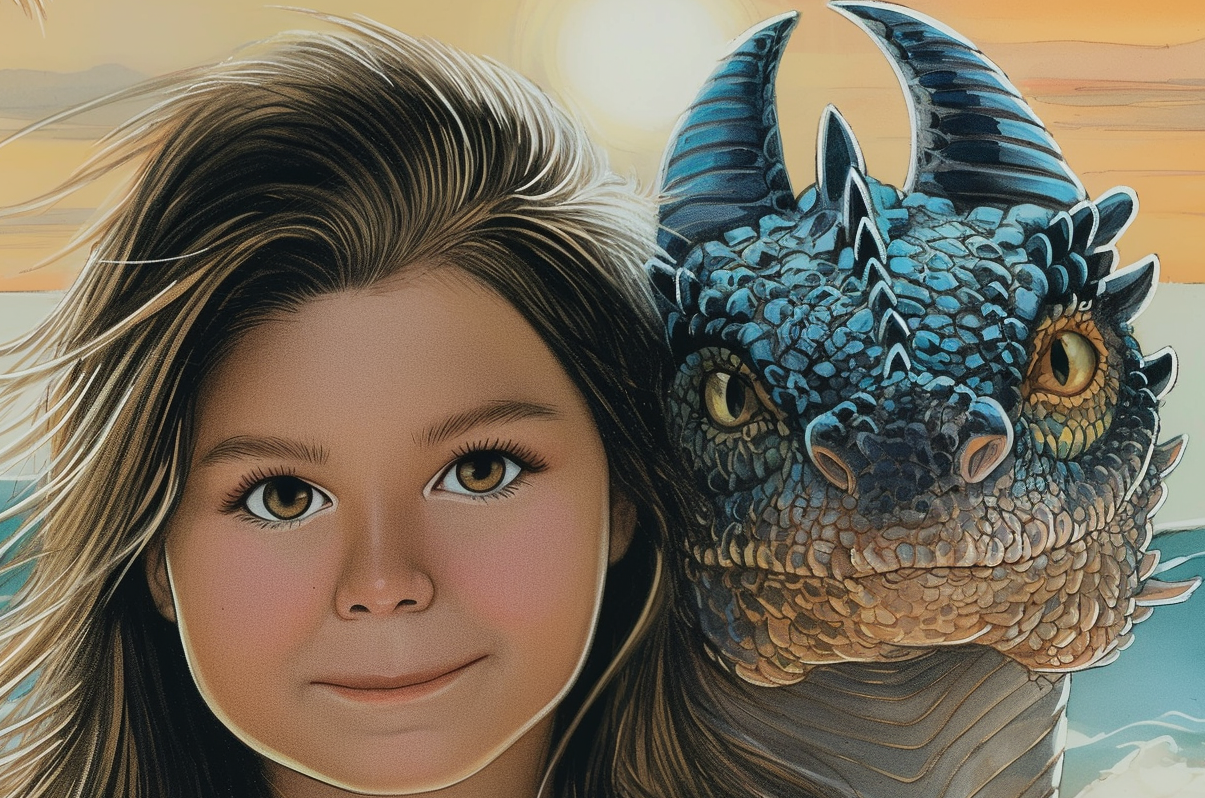
Imagine stepping into a magical world where every page turn is a new adventure. The vibrant colors, the whimsical characters, and the intricate details of children’s book illustrations come to life in the hands of skilled artists. But have you ever wondered what lies behind the scenes of these enchanting creations? In this article, we delve into the fascinating process of crafting illustrations for children’s books, exploring everything from the initial spark of inspiration to the final product that captivates young readers. Discover how these illustrations not only enhance the storytelling but also play a crucial role in making literature a magical experience for children. Join us as we uncover the artistry, collaboration, and creativity that bring these beloved stories to life.
Introduction to Children’s Book Illustration
Children’s book illustration is a unique and essential aspect of the publishing world, combining creativity, storytelling, and artistry to captivate young readers. Illustrations are not just visual aids; they are a crucial element that enhances the reading experience and often dictate the emotional tone of the story. Here, we explore the significance of illustrations in children’s books and the process behind bringing these stories to life.
The Role of Illustrations in Children’s Books
Illustrations serve multiple purposes in children’s literature. They provide visual context to the text, making the story more relatable and easier to understand, especially for younger readers. For example, a detailed illustration of a character’s environment can help children visualize the setting and better engage with the narrative. Moreover, illustrations can evoke emotions and complement the text, helping to convey complex feelings and themes that might be challenging to express through words alone. For instance, a series of illustrations showing a character’s facial expressions can highlight their emotions, making the story more engaging and emotionally resonant.
The Process of Creating Children’s Book Illustrations
Creating illustrations for children’s books involves a meticulous process that requires both artistic skill and an understanding of the story’s narrative. The illustrator first reads the manuscript to grasp the overall theme and style, then begins the pre-visualization phase, where they brainstorm and sketch initial ideas. This process often involves experimenting with different styles and techniques to find the best fit for the story. Once a concept is agreed upon, the illustrator proceeds to create rough sketches, which are then refined into detailed, finalized illustrations.
The illustrator must also consider the layout and page design, ensuring that the illustrations complement the text and fit the book’s format. This involves working closely with the editor and the publisher to ensure that the illustrations enhance the overall reading experience. For instance, the placement of illustrations can guide the reader’s eye and create a cohesive narrative flow. Additionally, the choice of colors and materials can significantly impact the mood and atmosphere of the book, making the illustrations a vital component in the storytelling process.
The Process of Creating Illustrations
Creating illustrations for children’s books is a meticulous process that requires both artistic talent and meticulous attention to detail. This section will provide a comprehensive look at the steps involved in bringing characters and stories to life on the pages of a children’s book.
1. Conceptualization and Planning
The first step in the illustration process is conceptualization. This involves understanding the story and characters in the book. The illustrator works closely with the author to ensure that the illustrations align with the narrative and the author’s vision. This may involve brainstorming sessions, sketches, and detailed discussions about the characters, setting, and emotions to be conveyed.
Once the initial ideas are in place, the illustrator will create a detailed storyboard or a series of rough sketches. These sketches serve as a blueprint for the final illustrations, helping to map out the sequence and composition of each page. The storyboard also allows the illustrator to experiment with different perspectives, compositions, and color schemes, ensuring that the final illustrations are both visually appealing and narrative-driven.
2. Sketching and Refinement
With the storyboard in hand, the illustrator moves on to the sketching phase. This is where the initial ideas are translated into more detailed drawings. The sketches are often done in pencil or with digital tools, allowing for easy revisions and adjustments. The illustrator pays close attention to the placement of characters, the flow of the narrative, and the overall visual harmony of each scene.
As the sketches progress, the illustrator refines the details, adding textures, shading, and other elements to bring the illustrations to life. This is also where the illustrator begins to experiment with color, using color palettes that complement the story’s themes and settings. The use of color can significantly impact the mood and atmosphere of the illustrations, making them more engaging and immersive for young readers.
Once the sketches are finalized, the illustrator moves on to the next stage of the process, where the illustrations are developed into their final form. This can involve further refinements, adjustments, and sometimes even the addition of new elements to ensure that the illustrations are both beautiful and effective in telling the story.
Tools and Techniques Used
Creating children’s book illustrations is a meticulous process that requires a blend of traditional and digital tools. Here’s an in-depth look at the tools and techniques that artists like Sir Reggie use to bring their stories to life.
Traditional Tools and Methods
1. **Sketch Pads and Drawing Tools**: Before any digital magic, artists often start with a simple sketch. High-quality sketch pads with smooth, acid-free paper are essential. Pencils, especially mechanical ones, are used for initial rough sketches, while fine-tip markers or brushes are ideal for detailing. These tools help in developing the initial concept and refining the details before moving to digital mediums.
2. **Coloring Materials**: Traditional coloring materials such as watercolors, acrylics, and colored pencils are used to add vibrant colors and textures. These tools allow for a range of color blending and shading techniques that can’t be replicated easily in digital formats.
3. **Reference Materials**: Artistic research is crucial. Artists often gather reference materials such as photographs, other artworks, and real-life objects to ensure accurate depictions and realistic textures. This step is vital for creating a believable and engaging illustration.
Modern Digital Tools and Techniques
1. **Digital Illustration Software**: Software like Adobe Illustrator, Procreate, and Corel Painter offers a wide range of tools for digital illustration. These programs allow for precise control over details, layers, and color adjustments. Artists can use a graphics tablet with a stylus, such as the Wacom Intuos or Huion, to draw directly on the screen, mimicking the feel of traditional sketching and painting.
2. **Photo Editing and Compositing**: Adobe Photoshop and Lightroom are invaluable for photo editing and compositing. These tools help in adjusting the lighting, color correction, and blending of multiple elements to create a cohesive and visually appealing illustration. Artists can also use these tools to experiment with different compositions and color palettes.
3. **3D Modeling and Animation**: For more complex illustrations, 3D modeling software like Blender or ZBrush can be used to create detailed characters and environments. This technique is particularly useful for creating illustrations with complex geometries or scenes that require depth and dimension.
By combining traditional and modern tools, artists like Sir Reggie can create illustrations that are both visually stunning and engaging for young readers. Each tool serves a specific purpose, from the initial brainstorming and sketching to the final coloring and refinement. The choice of tools often depends on the artist’s personal preference and the specific requirements of the project.
Collaboration and Communication
Collaboration and communication are the backbone of any successful children’s book illustration project. Ensuring that every team member is on the same page and working towards a common goal is essential for creating a compelling and engaging story. Here are some key elements to consider when fostering effective collaboration and communication:
Effective Communication Strategies
1. **Regular Meetings:** Establish a regular schedule for team meetings to discuss progress, address concerns, and brainstorm ideas. These meetings should be structured to ensure that everyone has the opportunity to contribute and that decisions are made collaboratively.
2. **Clear Objectives:** Define clear goals and expectations from the outset. This helps to ensure that everyone understands their role and the overall direction of the project. Setting these objectives early on can help to avoid misunderstandings and delays.
3. **Effective Tools:** Utilize the right tools to facilitate communication. Tools such as project management software (e.g., Trello, Asana), instant messaging platforms (e.g., Slack, Microsoft Teams), and video conferencing tools (e.g., Zoom, Google Meet) can enhance collaboration and keep everyone informed.
Building a Collaborative Team
1. **Diverse Skillsets:** Assemble a team with a variety of skills and perspectives. This can include the illustrator, author, editor, and possibly a designer or marketing expert. Diverse skillsets can lead to more creative and innovative ideas.
2. **Open-Ended Feedback:** Encourage an environment where feedback is welcomed and constructive. This can help to refine the illustrations and ensure that they align with the author’s vision. Regular feedback sessions can be particularly useful in this regard.
3. **Respect and Empathy:** Foster a respectful and empathetic team dynamic. This means listening to everyone’s ideas and valuing their contributions. Respecting each other’s opinions can lead to a more harmonious and productive working environment.
By focusing on effective collaboration and communication, the team at Sir Reggie’s Books can ensure that the children’s book illustration project runs smoothly and that the final product is both visually stunning and emotionally engaging for young readers.
Inspiration and Creativity
Creating children’s book illustrations is a journey that requires a unique blend of inspiration and creativity. For artists like those at Sir Reggie’s Books, these elements are not just optional; they are the very foundation upon which their work is built. Here’s a deeper look into how inspiration and creativity shape the process of bringing stories to life.
Finding Inspiration
Inspiration can come from a multitude of sources, and for artists, the key to a successful illustration lies in the richness of their inspiration. This can include:
Nature and the World Around Us: Nature provides endless inspiration. From the intricate patterns of leaves to the vastness of the ocean, the world is a treasure trove of visual elements that can spark creativity. Artists often draw from natural landscapes, flora, and fauna to create a sense of wonder and enchantment in their illustrations.
Personal Experiences and Emotions: Personal stories and emotions can also serve as a powerful source of inspiration. Artists who connect with their personal experiences often find that these stories resonate with children, creating a deeper emotional connection. For example, an artist who has overcome a personal challenge may draw on this experience to create characters that inspire resilience and bravery.
Embracing Creativity
Creativity in illustration is not just about the ability to produce beautiful art; it’s about the process of thinking outside the box and exploring new ideas. Here are some ways artists can nurture their creativity:
Experimentation: Encouraging experimentation is crucial for artists. This can involve trying out different styles, mediums, and techniques. For instance, an artist might start with a traditional pencil sketch and then experiment with digital tools to enhance the artwork. This process of exploration can lead to unexpected and innovative results.
Collaboration: Working with other creatives can also fuel inspiration and creativity. Collaborating with authors, writers, or other artists can provide new perspectives and ideas that may not have been considered before. This exchange of ideas can lead to fresh and original illustrations that bring stories to life in unique and engaging ways.
By focusing on finding inspiration in the world around them and embracing creativity through experimentation and collaboration, artists at Sir Reggie’s Books can create illustrations that captivate young readers and inspire a lifelong love of books.
The process of creating children’s book illustrations is a multifaceted journey that intertwines creativity, collaboration, and technical skill. From the initial conceptualization and brainstorming to the meticulous refinement of sketches and the application of color theory, each step contributes to bringing the story to life. The use of both traditional and digital tools, along with a deep understanding of the target audience, ensures that the illustrations resonate with young readers. By working closely with authors and editors and drawing inspiration from a wide range of sources, illustrators can create works that not only enhance the reading experience but also inspire and engage the imaginations of children. As the world of children’s books continues to evolve, the role of illustrators remains pivotal in shaping the narrative and emotional impact of these beloved stories.