
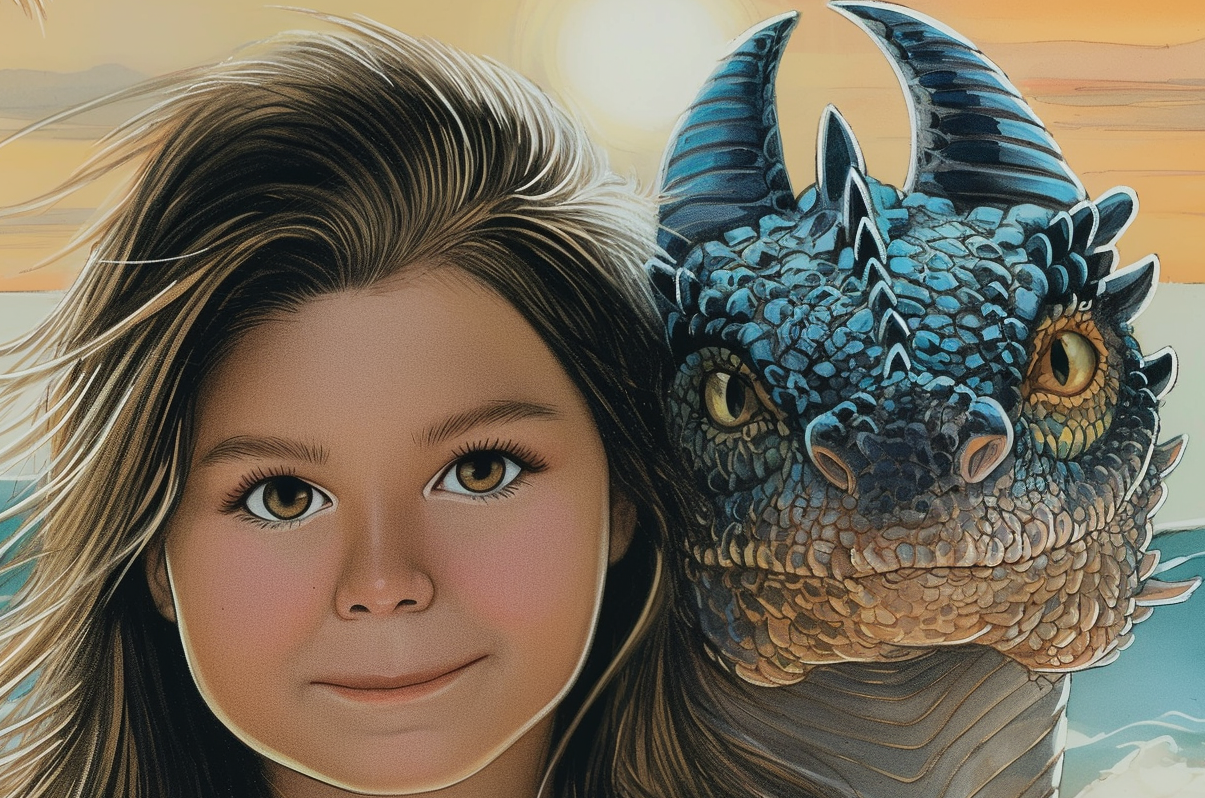
Welcome to Sir Reggie’s Books, where we delve into the enchanting world of storytelling through illustrations! Have you ever stopped to wonder how those vibrant, captivating images in children’s books come to life? Behind the scenes, a myriad of creative processes and techniques bring characters and stories to vivid reality. This article takes us on a fascinating journey into the heart of creating children’s book illustrations—where imagination meets artistry.
From the initial concept and brainstorming phase where illustrators gather inspiration from stories, themes, and their target audience, to the close collaboration with authors that ensures every detail aligns perfectly with the narrative, each step is crucial. We’ll explore the differences between digital and traditional techniques, the tools used by artists, and how they capture emotions and atmosphere through visual storytelling elements like color, composition, and symbolism.
Join us as we uncover the artistic challenges of illustrating for children, from meeting age-appropriate standards to overcoming obstacles within limited space and time constraints. Finally, we’ll peek behind the curtain at the publishing journey—how illustrations undergo revisions, and marketing strategies designed to bring these magical stories to life. Get ready to be inspired by the artistry that brings joy to countless young readers!
The Creative Process in Children’s Book Illustration
Creating illustrations for children’s books is a multifaceted and intricate process that involves several key steps to bring stories to life. Each step plays a crucial role in ensuring the final artwork resonates with young readers and captures their imagination.
Conceptualization: Bringing Ideas to Life
The first phase of illustration creation begins with conceptualization, where the illustrator develops initial ideas based on the story’s narrative and themes. This involves several steps:
1. **Reading and Understanding the Text**: The illustrator reads through the text multiple times to grasp its essence and nuances. They pay close attention to character descriptions, settings, and any unique or fantastical elements that could inspire visual storytelling.
2. **Brainstorming and Sketching**: With a clear understanding of the story, the artist starts brainstorming ideas for characters, scenes, and overall aesthetics. This can involve sketching initial thumbnails to explore different compositions and styles. These sketches serve as a roadmap for the final illustrations.
Refinement: Crafting Detailed Artwork
Once initial concepts are established, the illustration process moves into the refinement phase, where the focus is on developing detailed artwork:
1. **Creating Thumbnails**: The illustrator develops more detailed versions of their thumbnails to explore color schemes, lighting, and composition further. These larger sketches help in making informed decisions about the final illustrations.
2. **Final Illustrations**: With the designs refined, the artist begins creating full-color illustrations using various media such as digital tools or traditional techniques like watercolor, pencil, or mixed media. Each illustration is crafted to enhance the narrative, ensuring that it complements the text and engages young readers.
Throughout this process, maintaining a balance between visual storytelling and adhering to the original text’s vision is essential. The illustrator must consider not only what the characters look like but also how their expressions, actions, and interactions convey the emotions and themes of the story effectively. This ensures that every illustration contributes meaningfully to the overall narrative experience for children.
Techniques and Tools for Creating Children’s Book Illustrations
Creating captivating illustrations for children’s books requires a blend of artistic skills, technical expertise, and a deep understanding of the target audience. Here are some key techniques and tools that can help you bring your story to life.
Pencil Sketching: The Foundation of Your Illustration
Before diving into digital tools or paints, many illustrators start with traditional pencil sketching. This technique allows for flexibility and refinement at the initial stage. Pencil sketches set the tone for the overall composition, character design, and layout of each illustration.
1. **Choosing the Right Sketchbook:** Select a sketchbook that fits your style—whether it’s smooth or textured paper, bound or spiral-bound.
2. **Pencils Selection:** Use a range of pencils from 2H to 6B to achieve different levels of darkness and detail in your sketches.
3. **Practice and Experimentation:** Regular practice will help you develop your sketching skills. Try experimenting with different shading techniques and line styles to find what works best for your illustrations.
Digitizing Your Illustrations: From Scanning to Digital Painting
Once the pencil sketches are finalized, it’s time to bring them into the digital realm using a variety of tools.
1. **Scanning:** High-quality scans ensure that your detailed work is accurately translated onto your computer screen. Use a flatbed scanner or an all-in-one printer with scanning capabilities.
2. **Tablet and Drawing Software:** A graphics tablet paired with drawing software like Adobe Illustrator, Procreate, or Clip Studio Paint can significantly enhance the precision of your digital illustrations. These tools offer layering options, which are invaluable for making edits without losing previous work.
3. **Coloring Techniques:** Digital coloring allows for a range of effects that might be challenging to achieve with traditional mediums. Use brushes of varying sizes and opacity settings to mimic the texture and flow of watercolor or colored pencils.
By mastering these techniques and tools, you can create illustrations that not only delight young readers but also stand out in a competitive market. Whether you’re working on a personal project or collaborating with a publisher like Sir Reggie’s Books, these methods will help ensure your illustrations are both beautiful and engaging.
The Role of Storytelling in Illustration
Storytelling is a powerful tool that illustrators use to bring children’s books to life, making the reading experience both engaging and memorable. It involves more than just creating visually appealing images; it requires understanding the narrative, characters, and emotions within a story to craft illustrations that enhance the overall storytelling process.
Enhancing Narrative Depth
One of the key roles of illustration in storytelling is to complement and enrich the text by conveying deeper meanings through visual cues. For instance, when illustrating a scene from “The Giving Tree,” an illustrator might use a gradual change in tree color and leaves to symbolize the passage of time and the evolving relationship between the boy and the tree. This technique helps children grasp abstract concepts like sacrifice and selflessness that may not be fully explained in words alone.
Character Development through Visuals
Illustrations also play a crucial role in character development by providing visual representations that help readers understand the personalities, emotions, and motivations of characters. In “Charlotte’s Web,” for example, the illustrations of Charlotte weaving her message can convey a sense of determination and cleverness, even without the written text.
Moreover, facial expressions, body language, and settings are powerful tools in illustrating characters. An illustrator might depict a character with furrowed brows to indicate worry or wide eyes to show surprise, making these emotions palpable for young readers. This visual storytelling can help children connect more deeply with the narrative, fostering empathy and emotional intelligence.
In essence, illustration is not just about creating beautiful art; it’s about weaving in layers of meaning that complement and expand upon the story. By skillfully integrating storytelling techniques into their illustrations, artists can create a rich reading experience that captivates young minds and nurtures their imagination.
The Artistic Challenges of Children’s Book Illustrations
Creating illustrations for children’s books is a unique and challenging endeavor, combining elements of storytelling, artistry, and child psychology. Here are some key artistic challenges that illustrators face when bringing stories to life.
1. Capturing the Imagination of Young Readers
One of the primary goals of children’s book illustrations is to engage young readers’ imaginations. This requires a deep understanding of what appeals to different age groups and how to translate abstract concepts into visual elements that are both relatable and exciting. For instance, an illustrator must find ways to make fantastical creatures or magical settings believable within the context of a story. The challenge lies in using colors, shapes, and composition to evoke wonder and curiosity while ensuring that the images are not overwhelming for younger children.
2. Balancing Detail with Simplicity
Children’s books often feature illustrations that need to convey multiple layers of meaning—both for the young reader and their caregivers. This means striking a balance between intricate details that can enhance the story and simplicity in design that makes it accessible to younger audiences. For example, an illustrator might use a minimalistic approach with bold lines and bright colors to create simple yet effective images for very young children, while adding more complexity and depth of detail as the intended audience ages.
Additionally, illustrators must consider how their artwork will be printed on various materials and in different sizes, which can affect the clarity and impact of the illustration. Ensuring that the design is both versatile and captivating across these variables adds another layer of challenge to the creative process.
Navigating these artistic challenges requires a blend of creativity, technical skill, and understanding of child development psychology. At Sir Reggie’s Books, we strive to support illustrators in bringing their visions to life while ensuring that every page captures the essence of storytelling for young minds.
Behind the Scenes: The Publishing Journey of Children’s Book Illustrations
The journey from a blank page to a published children’s book illustration is both magical and complex, involving many steps that blend creativity with technical skill. At Sir Reggie’s Books, we’re committed to bringing your child’s favorite stories to life, one illustration at a time. Here’s a detailed look into the process.
Conceptualization and Planning
The first step in any illustration journey is conceptualization. This phase involves brainstorming ideas that will capture the essence of the story or character. Our talented artists work closely with authors to ensure that their vision aligns with the narrative, themes, and emotional tone of the book. Key elements such as age-appropriateness, cultural sensitivity, and visual storytelling are carefully considered during this stage.
Once the concept is agreed upon, a detailed storyboard or script is created. This serves as a roadmap for the illustrator, detailing scenes and moments that need to be captured in the illustrations. The storyboard also helps in maintaining consistency throughout the book, ensuring that each page contributes effectively to the overall story arc.
Creation and Revision
The actual illustration process is both an art and a science. Illustrators use various mediums such as traditional sketching with pencils or digital tools like Adobe Illustrator. They start by creating rough sketches, which are then refined into detailed drawings that match the storyboard’s specifications.
Revision is an integral part of this phase. Feedback from editors, authors, and sometimes even focus groups of children ensures that the illustrations not only meet the story’s needs but also resonate with young readers. This iterative process helps in perfecting every element—from the expressions on characters’ faces to the details in the background.
Once the final drafts are approved, the illustrations undergo a technical review to ensure they will work well in print and digital formats. Color palettes are selected not just for their visual appeal but also considering their readability and suitability for different age groups. Finally, the illustrations are prepared for printing or digital publishing, ready to be part of the next generation’s cherished storybooks.
The creative journey of children’s book illustrations is a harmonious blend of artistry, collaboration, and storytelling. From the initial concept phase where inspiration is gathered to the final product that captivates young readers, every element plays a crucial role in bringing stories to life. The use of both digital and traditional techniques showcases the versatility and innovation within this field, while capturing emotions and atmosphere ensures each illustration resonates with its audience.
Despite the challenges, illustrators consistently rise to meet age-appropriate standards and overcome obstacles, ensuring that every page is a masterpiece in storytelling. As we move forward, the publishing journey of these illustrations will continue to evolve, leveraging technology and marketing strategies to reach more children worldwide. The future holds exciting possibilities for both established and emerging artists who are passionate about creating worlds for young imaginations.