
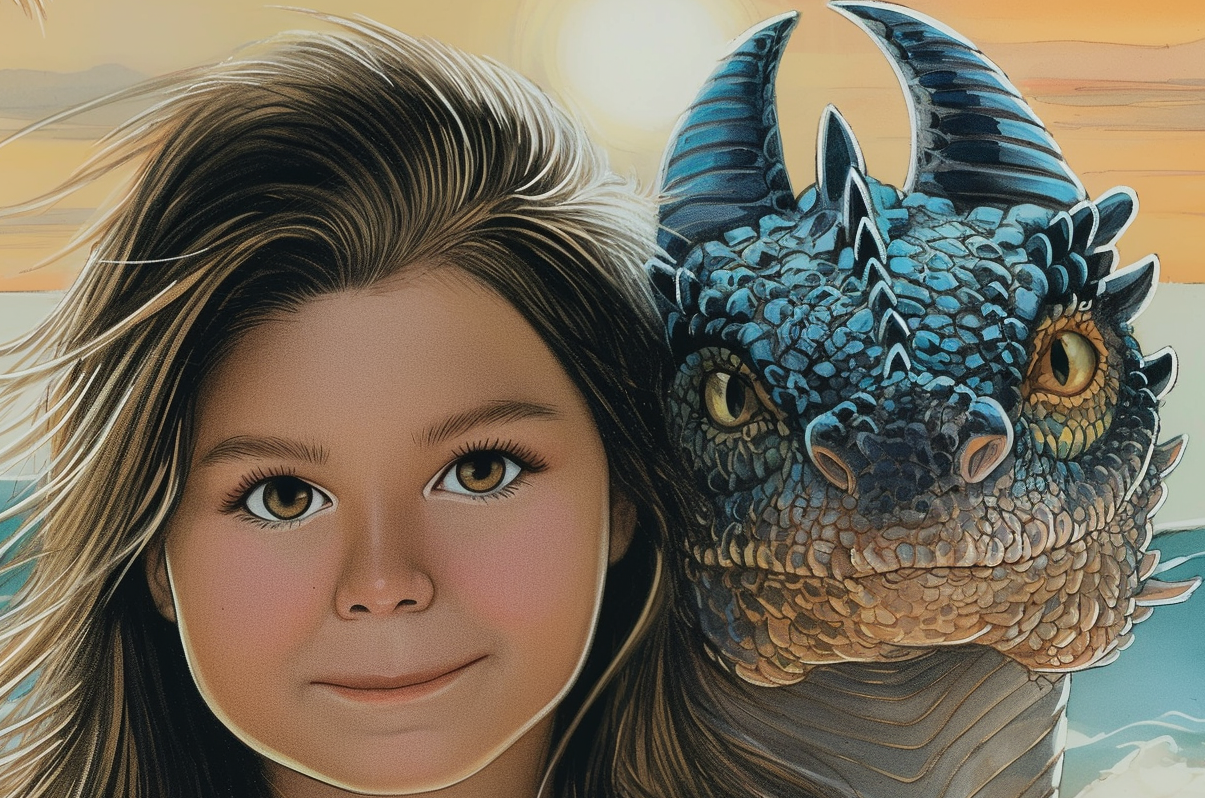
Welcome to the magical world of children’s book illustrations, where every line and color brings a story to life! Behind the scenes, talented artists embark on a creative journey to bring beloved characters and enchanting worlds to the pages of books. This process, from the initial brainstorming to the final touches, is not just about drawing; it’s about weaving a narrative that resonates with young readers and captures their imaginations. In this article, we delve into the intricate world of children’s book illustration, exploring the conceptualization process, the tools and techniques used, the importance of collaboration with authors and publishers, and the role of imagination in storytelling. Join us as we uncover the secrets behind those captivating illustrations that make Sir Reggie’s Books a favorite among children and parents alike.
The Process of Conceptualization
The journey to creating children’s book illustrations begins with the conceptualization phase, a crucial step that sets the tone and direction for the entire project. This process involves several stages, each contributing to the final visual story that will captivate young readers.
Understanding the Story
Before any sketches can be made, the illustrator must thoroughly understand the story. This involves reading the manuscript multiple times to grasp the narrative, characters, and themes. During this phase, the illustrator often discusses the story with the author to gain insights into their vision and ensure alignment. Understanding the story’s emotional tone, the setting, and the intended audience is vital. For instance, a story about a magical forest will require different visual elements compared to a tale set in a bustling city.
Developing the Concept
Once the story is well-understood, the illustrator begins to develop the concept. This involves brainstorming ideas, sketching rough concepts, and experimenting with different visual styles. The illustrator may also gather reference materials such as photographs, other illustrations, or even personal experiences to help visualize the characters and settings.
During this stage, the illustrator will create mood boards, which are collections of images and ideas that help set the overall look and feel of the illustrations. These mood boards can include color palettes, textures, and styles to give a clear picture of the desired aesthetic. For example, if the story is set in a fantasy world, the mood board might include illustrations of mythical creatures and enchanted landscapes.
The illustrator will also consider the book’s structure, such as the size of the pages, the layout, and the flow of the illustrations. This ensures that the illustrations complement the text and enhance the storytelling experience. By the end of the conceptualization phase, the illustrator should have a clear vision of how the illustrations will contribute to the overall narrative, making the next steps in the illustration process more focused and effective.
Techniques and Tools Used
Creating children’s book illustrations is an art form that requires both technical skill and creative vision. To ensure that the illustrations are both engaging and suitable for young readers, a variety of techniques and tools are employed by illustrators. Here, we delve into the essential techniques and tools used in the creation of these beloved stories.
Illustration Techniques
One of the key techniques used in children’s book illustration is the use of color. Warm, bright colors are often preferred to capture a child’s attention and evoke the joy of storytelling. Illustrators may use a color palette that complements the narrative, ensuring that the visual elements support the text rather than distract from it. Additionally, techniques such as watercolor, pastels, and digital painting are popular. Watercolor, for instance, can create a soft, dreamy atmosphere, while digital tools allow for precise and versatile color adjustments.
Tools and Software
The choice of tools can significantly impact the final look of the illustrations. Traditional tools such as pencils, charcoal, and ink are still widely used, as they offer a tactile and expressive medium. However, digital tools have become increasingly popular due to their flexibility and efficiency. Adobe Photoshop and Illustrator are two of the most commonly used software programs. Photoshop is great for photo manipulation, blending, and color correction, while Illustrator excels in vector graphics, making it ideal for creating clean, scalable illustrations.
Another tool gaining popularity is Procreate, which is specifically designed for digital illustration on tablets. This software offers a wide range of brushes and textures that can mimic the look of traditional media, making it a versatile choice for both traditionalists and digital natives. Additionally, tools like Wacom tablets provide a pressure-sensitive surface that mimics the feel of drawing on paper, enhancing the precision and control of the artist.
In conclusion, the techniques and tools used in creating children’s book illustrations are as diverse and innovative as the stories themselves. Whether through traditional or digital methods, these tools enable illustrators to bring their creative visions to life, making every page of a children’s book a magical experience.
Collaboration with Authors and Publishers
At Sir Reggie’s Books, we recognize that the success of our children’s book illustrations is deeply intertwined with our collaboration with authors and publishers. These partnerships are the backbone of our creative process, ensuring that each illustration not only complements the story but also resonates with young readers.
Understanding the Story and Vision
Before any illustration begins, we engage in a thorough discussion with the author and publisher to fully understand the story’s narrative, themes, and intended audience. This collaboration is crucial for several reasons:
–
Clarifying the Story’s Tone and Style: We work closely with the author to ensure that the illustrations align with the story’s tone and style. For instance, a whimsical story might require vibrant, colorful illustrations, while a more somber story might benefit from softer, more subdued tones.
–
Ensuring Visual Consistency: By understanding the overall vision, we can ensure that the illustrations maintain a consistent style throughout the book, enhancing the reading experience for children. This includes elements such as character design, setting, and color palette.
–
Addressing Specific Concerns: Publishers often have specific guidelines or requirements. We work closely to ensure that all these elements are considered, making sure the final product meets the publisher’s expectations.
Iterative Feedback and Refinement
Collaboration is an ongoing process, not just a one-time discussion. We believe that iterative feedback is essential for refining the illustrations to their best possible form.
–
Providing Initial Sketches: We start with initial sketches, which are sent to the author and publisher for review. This allows for early feedback and adjustments, ensuring that the illustrations are on the right track from the beginning.
–
Implementing Changes: Based on the feedback received, we make necessary adjustments. This back-and-forth process ensures that the final illustrations are not only visually appealing but also perfectly suited to the story’s narrative and tone.
–
Ensuring Consistency Across All Illustrations: Throughout the process, we maintain consistent quality and style across all illustrations. This is particularly important for longer books, where maintaining a cohesive aesthetic is crucial.
By maintaining strong, collaborative relationships with authors and publishers, Sir Reggie’s Books ensures that every illustration is crafted with care and precision, creating a unique and memorable reading experience for children.
The Role of Imagination and Storytelling
Fueling Creativity in Illustration
Imagination and storytelling are the lifeblood of children’s book illustrations. They serve as the creative force that brings the author’s words to life, transforming abstract concepts into vivid, engaging visuals. For illustrators like those at Sir Reggie’s Books, imagination is not just a tool but a superpower that allows them to explore boundless worlds and emotions. This process is crucial for capturing the essence of the story and creating a connection with young readers.
When creating illustrations, imagination enables artists to delve into the narrative’s depths, envisioning characters, settings, and plot points that might not be explicitly described in the text. For example, an illustrator might imagine a character’s backstory or the emotions they might be feeling, which can then be conveyed through their facial expressions or body language. This extra layer of detail enriches the overall reading experience, making the story more relatable and immersive for children.
Storytelling in Action: Bringing Characters to Life
Storytelling through illustrations is about more than just drawing; it’s about creating a narrative that complements the written story. Each illustration acts as a visual sentence, building upon the previous one to create a continuous flow of the story. In the context of Sir Reggie’s Books, illustrators often work closely with authors to ensure that the visual storytelling aligns with the narrative arc and character development.
For instance, consider a scene where a character is feeling lonely. An illustrator might use subtle visual cues such as a desolate landscape, a character’s body language, or the lighting in the scene to convey this emotion. These elements can be more powerful than words in communicating the emotional state of the character. Similarly, during moments of excitement or joy, the illustrator can use dynamic poses, bright colors, and expressive facial features to capture the essence of the scene.
Moreover, storytelling in illustrations is not limited to depicting events that occur in the story. It can also be used to explore themes and messages that the author wants to convey. For example, an illustrator might use a series of illustrations to show a character’s journey from fear to confidence, thereby teaching a valuable life lesson through visual means.
In summary, imagination and storytelling are integral to the process of creating children’s book illustrations at Sir Reggie’s Books. They enable artists to bring stories to life in a way that resonates with young readers, fostering a deeper connection and a more meaningful reading experience.
The Impact of Illustrations on Children’s Literature
Enhancing Storytelling and Engagement
Illustrations in children’s literature play a pivotal role in enhancing the storytelling experience, making books more engaging and accessible to young readers. Visual elements can bring text to life, providing context, emotions, and detail that words alone cannot convey. For instance, vibrant, detailed illustrations can help illustrate complex concepts, such as emotions or abstract ideas, making them more relatable and easier to understand for children. This is particularly beneficial in books that deal with themes such as friendship, diversity, and empathy, where visual cues can help children connect with the characters and their experiences on a deeper level.
Capturing Attention and Retention
Effective illustrations can significantly improve children’s engagement with the text, making the reading experience more enjoyable and memorable. According to a study by the University of California, Los Angeles (UCLA), children’s books with illustrations tend to have higher levels of engagement and retention. Visually striking and well-crafted illustrations can draw a child’s attention, keeping them interested in the story and encouraging them to return to the book. Additionally, illustrations can serve as a springboard for discussions and further exploration, allowing children to ask questions and express their thoughts, which in turn can foster a love for reading and learning.
Moreover, illustrations can help maintain the child’s interest, especially when dealing with longer texts or complex narratives. They act as visual cues, guiding the reader through the story and providing a visual narrative that complements the textual narrative. This dual approach can be particularly beneficial for younger children who are still developing their reading skills, as the illustrations can help them follow the story and predict what might happen next.
In summary, illustrations in children’s literature are not merely decorative; they are integral to the overall reading experience, enhancing storytelling, engagement, and retention. By carefully crafting and integrating illustrations, authors and illustrators can create a richer, more immersive reading experience that benefits both the child and the adult reader.
In conclusion, the creation of children’s book illustrations is a multifaceted process that involves deep conceptualization, the use of diverse techniques and tools, and effective collaboration with authors and publishers. The key points covered emphasize the importance of understanding the narrative and characters, exploring various artistic interpretations, and ensuring that the visual storytelling aligns with the written story. By using imagination and storytelling techniques, illustrators bring characters and settings to life, making the reading experience more engaging and immersive for young readers. The use of color theory and careful selection of tools contribute to the emotional depth and visual appeal of the illustrations, ultimately enhancing the overall reading experience and encouraging children to explore their creativity.
As the world of children’s literature continues to evolve, the role of illustrations in capturing the essence of stories and inspiring imagination remains crucial. The future of children’s book illustration lies in the hands of talented artists who can continue to innovate and push the boundaries of visual storytelling, ensuring that every page turns into a captivating adventure for young readers.